

In the field of sheet metal processing, sheet metal stretching technology plays a pivotal role. It can shape ordinary metal sheets into various complex and practical shapes. What are the types of sheet metal stretching processes, and what are their advantages?
First of all, there is the ordinary stretching process, which is the most common one. Taking Chuntian Machinery as an example, in daily production, when manufacturing some sheet metal parts with relatively simple shapes and shallow depths, ordinary stretching technology can be very useful. It uses a conventional stretching die and a press to apply external force to gradually deform the metal sheet along the mold contour. For example, when processing the shell of some small distribution boxes, this process is simple to operate, low cost, and has low requirements for equipment and molds. It can complete production tasks quickly and efficiently, meet the needs of mass production, and save time and financial costs for enterprises.
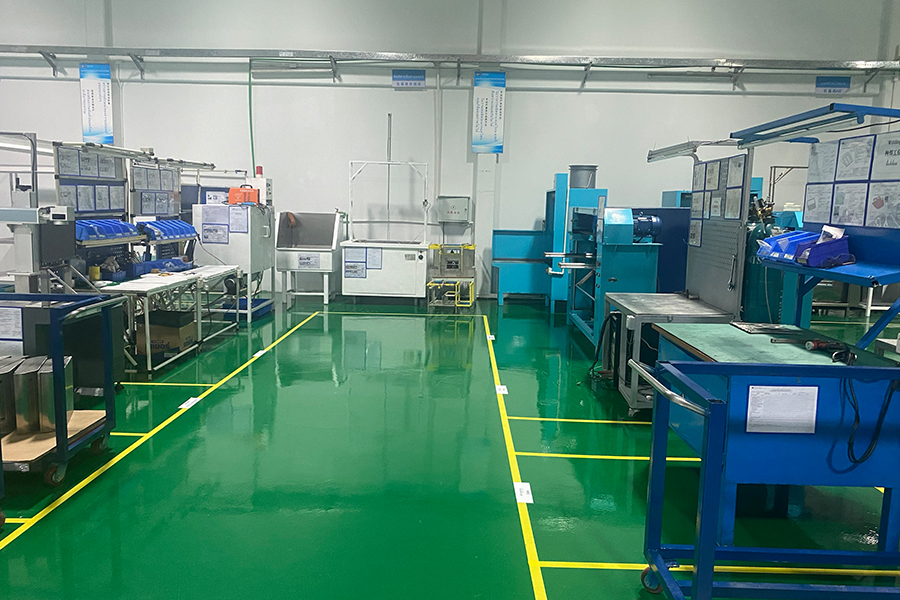
Let’s look at the deep stretching process. In the Thai sheet metal processing industry, some companies often use it when accepting orders for automotive parts, high-end home appliance shells, etc. Deep stretching refers to stretching metal sheets into parts with greater depth and complex shapes. Compared with ordinary stretching, it faces greater challenges, because as the depth of stretching increases, the sheet is prone to cracking, wrinkling and other problems. But once successful, it can create a product with a strong three-dimensional sense and functionality. For example, the oil pan of a car engine can perfectly fit the bottom structure of the engine through the deep stretching process, which not only saves space, but also meets the requirements of high strength and good sealing, and improves the overall performance of the product.
There is also a thinning stretching process, which is very popular in scenarios where lightweight and high strength products are required. In the sheet metal processing in the aerospace field, it is rare but critical. It is to make the thickness of the sheet thinner to a certain extent during the stretching process, thereby reducing the weight without reducing the strength of the material. Some sheet metal shells of satellite components use thinning stretching technology, which not only ensures that the structural strength is sufficient to cope with the complex space environment, but also reduces the launch cost due to weight reduction, which helps the efficient advancement of aerospace engineering.
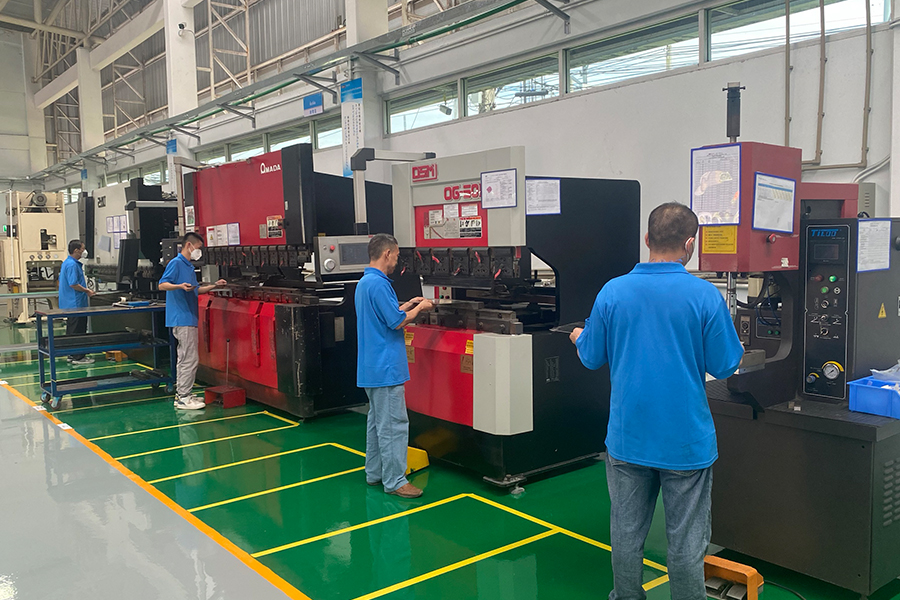
For Chuntian Machinery, whether it is facing conventional sheet metal products in the local market or the diversified needs encountered by Thai counterparts in opening up the international market, it is crucial to accurately select the appropriate sheet metal stretching process. Only by comprehensively considering factors such as product design requirements, batch size, cost budget, and material properties, and flexibly using different stretching processes, can we stand out in the fiercely competitive sheet metal processing market, create high-quality, high-performance sheet metal products, and drive the industry forward continuously.