

In the vast world of manufacturing, sheet metal processing and mechanical processing are two important pillars. Although both are committed to converting raw materials into practical components, there are many significant differences between the two, and their respective advantages are also very prominent.
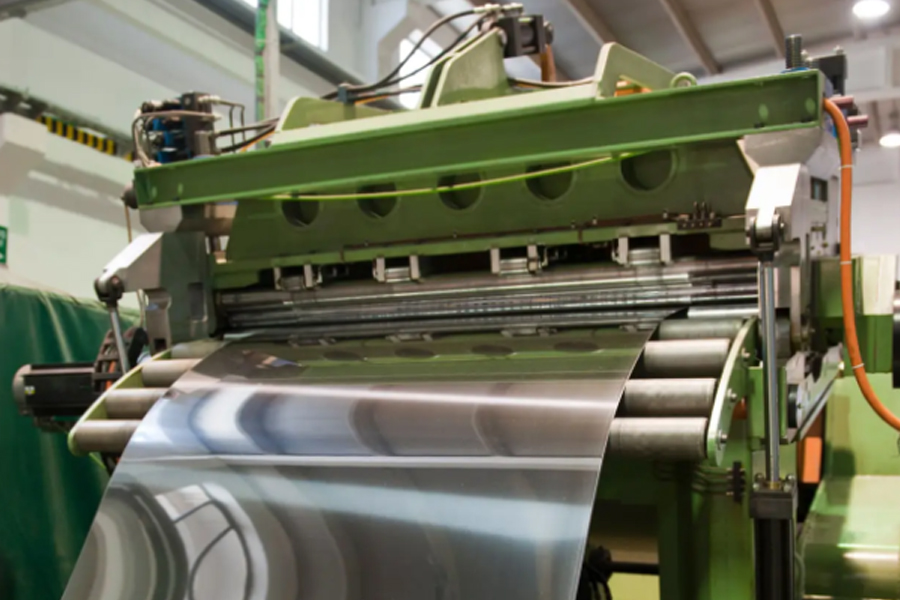
Starting from the analysis of processing principles, sheet metal processing focuses on shaping thin sheet metal. Taking Thailand’s sheet metal processing industry as an example, the common sheet metal stretching process is a typical operation. For example, when Chuntian Machinery Thailand Branch processes the housing of a distribution box, it uses a mold to extend and deform the thin plate along the preset contour. Through processes such as bending, stamping, and stretching, the flat metal plate is shaped into various three-dimensional shapes, and the operation is flexible. , can quickly respond to customized needs. Moreover, there are specific requirements for material thickness. Generally, the cost of processing thin metal sheets is relatively low, and it is quite efficient when producing large batches of simple shell and bracket products.
In contrast, mechanical processing uses cutting, grinding and other methods to finely carve the workpiece. For example, processing high-precision engine crankshafts requires the use of lathes, milling machines, grinders and other equipment. Mechanical processing can accurately control dimensional tolerances, reaching the micron or even nanometer level, which is a height of precision that is difficult to achieve in sheet metal processing. For complex internal structures and special-shaped surfaces, machining relies on rich tool path planning and advanced CNC technology to gradually grind the hard metal blank into the shape required by the design. The manufactured products have excellent mechanical properties and are often used in aerospace and high-end equipment. Manufacturing and other fields that require precision and performance.
In terms of equipment demand, sheet metal processing mainly relies on professional sheet metal equipment such as bending machines, stamping machines, and laser cutting machines. These devices are relatively simple, occupy a small area, have low investment costs, and are easy to maintain. Lathes, milling machines, machining centers, etc. equipped for mechanical processing have sophisticated and complex structures and are expensive. They require professional and technical personnel to operate and perform regular maintenance, but their high-precision processing capabilities are irreplaceable.

In terms of material applicability, sheet metal processing is suitable for thin plate metals with good ductility, such as cold-rolled steel plates, aluminum plates, etc. The range of material selection is limited by the characteristics of the plates. Mechanical processing covers almost all types of metal materials, whether it is alloy steel with high hardness or copper alloy with strong toughness, as long as the processing parameters are reasonably adjusted according to the material characteristics, it can be processed.
For Chuntian Machinery Thailand Branch, it is crucial to have a deep understanding of the difference between the two. When accepting orders for local electrical appliances and automotive after-sales parts, we must flexibly choose sheet metal or mechanical processing methods based on product accuracy requirements, batch size, and cost budget. Only by giving full play to their respective advantages can we gain a firm foothold in Thailand’s highly competitive manufacturing market and create a Produce high-quality products that meet customer needs. Whether it is a simple and practical sheet metal shell or a sophisticated mechanical component, they all inject continuous power into modern life.