

In industrial production, inkjet printers can be seen everywhere. They give logos to various products, and the quality of the printer shell directly affects the performance and service life of the equipment. Sheet metal processing technology plays a key role in creating a sturdy and durable printer shell.
Careful selection lays the foundation for quality
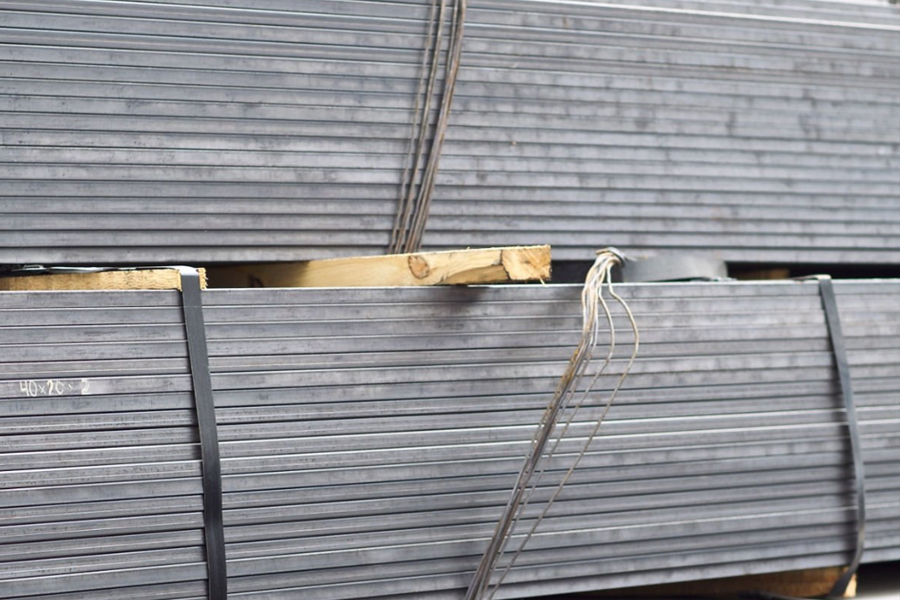
In the field of sheet metal processing, the selection of materials is the first step and the cornerstone for the sturdiness and durability of the printer shell. High-quality cold-rolled steel plates or aluminum alloy plates are usually selected. Cold-rolled steel plates have good strength and rigidity, and can effectively resist external collisions and impacts. Aluminum alloy plates, with their light weight and corrosion resistance, can reduce the overall weight while ensuring the strength of the shell, making it easier to move and install the printer. Just like in some handheld inkjet printers that require portability, aluminum alloy shells have become an ideal choice.
Precise cutting to create a perfect contour
Cutting is a key link in sheet metal processing, and laser sheet metal processing technology shines here. Using a high-energy-density laser beam, the sheet can be cut with high precision. In the processing of the printer shell, laser cutting can accurately create various complex shapes and holes. Whether it is the opening of the printer operation panel or the special-shaped contour of the shell, it can be cut smoothly and flat with minimal error. This not only ensures the beauty of the shell, but more importantly, the precise cutting size provides convenience for subsequent assembly, ensuring that each component fits closely and improving the overall strength of the shell.
Clever bending to give a three-dimensional shape
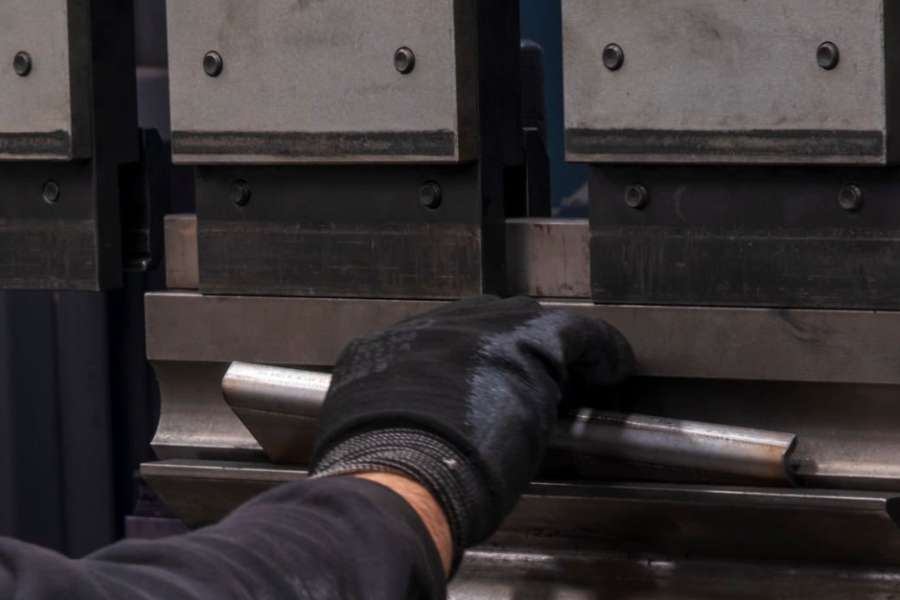
The bending process gives the printer shell a three-dimensional shape. According to the design requirements of the shell, the operator bends the cut sheet through a bending machine. During the bending process, the bending angle and force need to be precisely controlled. The bending parameters are also different for sheets of different thicknesses and materials. For example, for thicker cold-rolled steel plates, greater bending force is required, and care should be taken to prevent cracks or rebound in the sheet during the bending process. Through the clever bending process, the various parts of the printer shell are formed, building a basic framework for subsequent assembly.
Seamless welding, solid integration
Welding is an important process for connecting the bent sheet metal parts into a complete shell. In the processing of inkjet printer shells, high-quality welding methods such as argon arc welding are usually used. Argon arc welding uses argon as a protective gas, which can effectively prevent metal oxidation during welding, making the weld uniform and firm, and almost achieving the effect of seamless welding. The inkjet printer shell welded in this way is not only beautiful in appearance, but also has high structural strength, can withstand certain external force impact, and ensure that the electronic components inside the inkjet printer are reliably protected.
Fine processing to improve durability
Surface treatment is the last important process of sheet metal processing of inkjet printer shells. The durability of the shell can be significantly improved through surface treatment methods such as painting and electroplating. Painting can form a protective film on the surface of the shell to prevent the shell from rusting and corrosion. At the same time, different colors of paint can be selected according to customer needs to improve the overall appearance of the inkjet printer. Electroplating is often used in some parts that require wear resistance and conductivity to enhance the performance of these parts.
From material selection to surface treatment, each sheet metal processing process is closely linked to jointly create the sturdy and durable quality of the inkjet printer shell. Whether it is the precise cutting of laser sheet metal processing or the firm connection of welding technology, it provides a guarantee for the stable operation of the inkjet printer in various complex environments. If you want to know more about the application of sheet metal processing in other products, please feel free to ask me.