

Processing and precise control of bending angles are the key to ensuring product quality. A small angle deviation may cause the product to fail to assemble normally or affect its performance. The following is a detailed introduction to the method of achieving precise control of sheet metal bending angles.
Choose the right bending equipment
High-quality bending equipment is the basis for precise control of bending angles. For scenes such as medical sheet metal processing that require extremely high precision, it is even more important to choose equipment with excellent performance. For example, CNC bending machines can accurately execute preset bending programs with their high-precision control systems. The operator only needs to enter the precise bending angle value on the control panel, and the equipment can perform bending operations according to the instructions, greatly reducing the angle deviation caused by human factors. In large sheet metal processing plants, advanced CNC bending equipment can meet both mass production and high-precision requirements, improve production efficiency and ensure the consistency of bending angles.
Adapt to precise bending molds
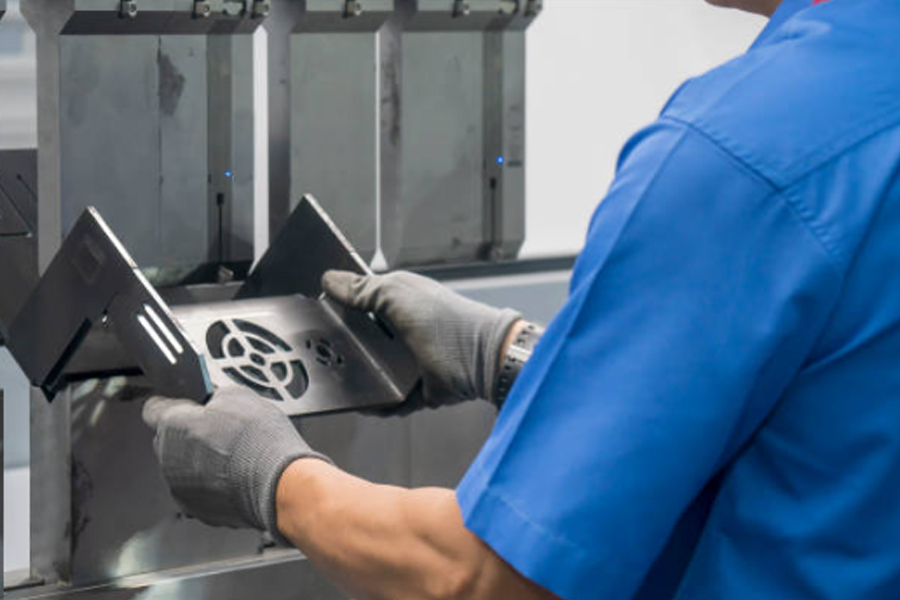
The accuracy of the bending mold directly affects the accuracy of the bending angle. Different molds are required for different sheet metal thicknesses and bending requirements. In precision sheet metal manufacturing, for the processing of complex-shaped sheet metal chassis, special molds that have been precisely designed and manufactured should be used. These molds have high dimensional accuracy and can provide uniform pressure for the sheet metal during the bending process to ensure that the bending angle meets the design requirements. If the mold is not accurate enough or does not match the sheet metal, it is easy to cause uneven force on the sheet metal during bending, resulting in deviations in the bending angle.
Accurately set process parameters
The reasonable setting of process parameters is the key link in controlling the bending angle. In laser sheet metal processing, parameters such as bending pressure, bending speed, and bending compensation value need to be accurately calculated and set according to factors such as the material and thickness of the sheet metal. Generally speaking, thicker sheet metal requires greater bending pressure, while harder sheet metal requires a proper reduction in bending speed to avoid inaccurate bending angles due to excessive pressure or too fast speed. At the same time, a reasonable setting of the bending compensation value can effectively compensate for the rebound of the sheet metal during the bending process, making the final bending angle closer to the ideal value.
Standardize operating procedures and improve skills
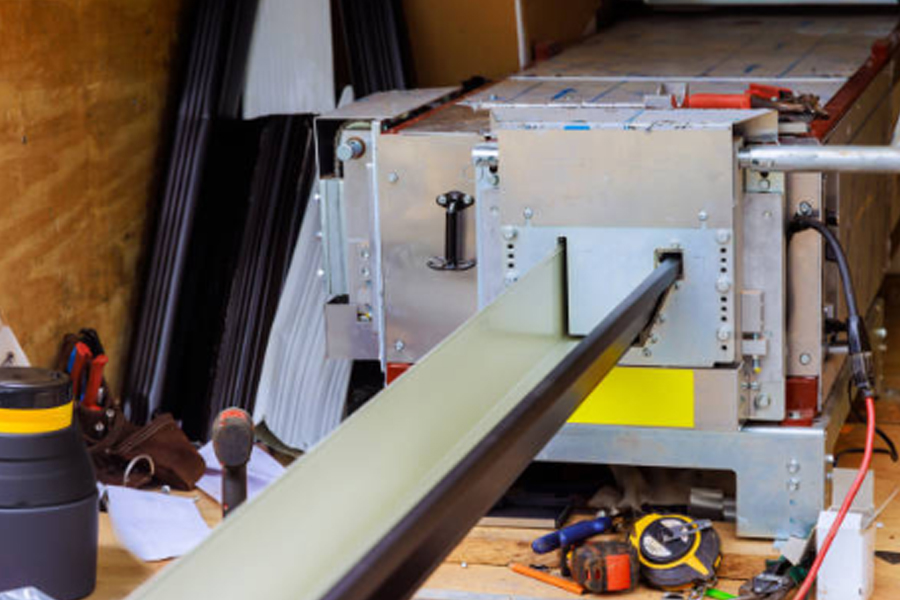
The skills and operating specifications of operators also have a great impact on the accuracy of the bending angle. When performing sheet metal processing, operators must strictly follow the operating procedures. First, ensure that the sheet metal is accurately positioned in the mold, which is the prerequisite for ensuring the correct bending angle. Secondly, during the bending process, pay close attention to the operating status and bending conditions of the equipment and adjust the parameters in time. In addition, sheet metal processing companies should regularly conduct skill training for operators to improve their understanding and operation level of the bending process, so as to better control the bending angle.
In sheet metal processing, from selecting suitable equipment and molds, to accurately setting process parameters, to standardizing the behavior of operators, each link is closely linked and jointly determines the accuracy of the sheet metal bending angle. Only by accurately controlling each link can high-quality sheet metal products be produced in the fields of medical product parts processing and medical device accessories processing.