
In modern manufacturing, sheet metal processing is a basic and important process, which is widely used in many fields such as aerospace, automobile manufacturing, electronic equipment, etc. Sheet metal chassis processing, medical sheet metal processing, precision sheet metal manufacturing, etc. are inseparable from it. The emergence of laser cutting technology has brought new changes to sheet metal processing. Today, let’s take a deeper look at the advantages and limitations of laser cutting technology in sheet metal processing.
Advantages of laser cutting technology
- High-precision cutting: Laser cutting can melt and evaporate materials with extremely high precision, and its precision far exceeds many traditional cutting methods. For example, in the processing of medical product parts, the precision requirements are extremely high. The tolerance of the laser cutting machine can be as low as 0.003 mm, which enables it to meet the complex and precise parts processing requirements in medical parts processing and ensure product quality.
- High material utilization: Laser cutting produces almost no waste, can maximize the use of metal plates, and improve the utilization rate of plates. In sheet metal processing plants, through reasonable layout and cutting path planning, the generation of scraps can be reduced, saving costs for enterprises.
- Strong versatility: Laser cutting machines are not only suitable for simple and complex cutting operations, but also for various processing such as marking, drilling and engraving. In sheet metal processing, this feature allows it to complete multiple processing tasks on one workpiece without frequent tool changes, which improves production efficiency.
- Fast cutting speed: Laser cutting has significant advantages for processing requirements of multiple categories, multiple batches, small batches, non-standardization and high precision. Laser cutting has a fast speed, which can effectively shorten the product production cycle and respond quickly to market demand, especially suitable for small batch sheet metal processing production.
- Small heat-affected zone: The heat-affected zone generated by laser cutting is minuscule, which greatly reduces the risk of warping, deformation or damage to parts due to heat, and is particularly suitable for sheet metal processing with strict deformation requirements.
Limitations of laser cutting technology
- High equipment cost: Laser equipment is expensive and may be unaffordable for small businesses or individual users. This makes some companies with limited funds face greater economic pressure when introducing laser cutting technology, limiting the popularity and application scope of laser technology.
- High maintenance cost: Laser equipment requires regular maintenance and calibration to ensure its accuracy and stability. These maintenance tasks not only require professional technicians to carry out, but also require the use of specific equipment and materials, which increases the cost of use. In addition, if the equipment fails, the repair cost may also be high.
- Requirements for materials: Although laser technology can adapt to the processing of a variety of materials, the effect of laser processing may not be good for some special materials, such as high-reflectivity materials. These materials may reflect the laser beam, resulting in energy loss or reduced processing quality.
- Complex operation: Laser technology requires professional operators and has high requirements for operating technology. Operators need to be familiar with the operating specifications, safety regulations, and setting and adjustment of processing parameters of laser equipment. This complexity makes laser technology difficult to popularize, especially in the absence of professional technicians.
- Processing thickness limit: Although laser cutting can process a variety of materials, its processing depth is limited for materials with thicker thickness. This is mainly because the energy of the laser beam gradually decays when penetrating the material, resulting in insufficient processing depth.
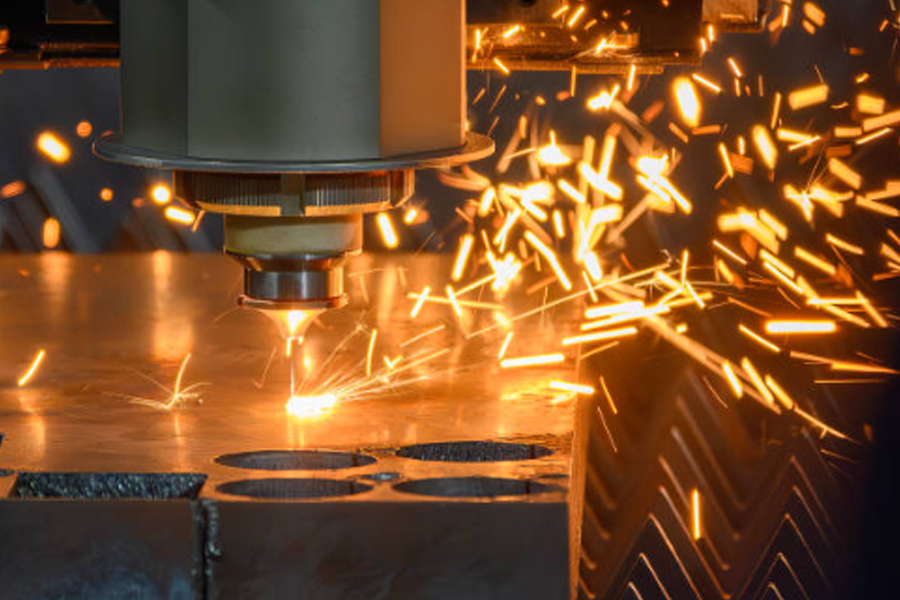
Laser cutting technology has many advantages in sheet metal processing, bringing higher efficiency and quality to sheet metal processing, but it also has certain limitations. In actual applications, enterprises need to comprehensively consider whether to choose laser cutting technology based on their own needs, budget and production conditions, to give full play to its advantages, avoid limitations and achieve better development in market competition.