

In the sheet metal processing of energy storage cabinets, the riveting process is the key link to connect various components, and its quality is directly related to the overall performance and safety of the energy storage cabinet. With the rapid development of the energy storage industry, the quality requirements for energy storage cabinets are increasing, and optimizing the riveting process has become an important topic in the field of sheet metal processing.
The importance of riveting technology in energy storage cabinets
Energy storage cabinets usually need to have good structural strength and stability to ensure the safe operation of internal energy storage equipment. In precision sheet metal manufacturing, the riveting process can achieve reliable connection between different sheet metal components. Compared with other connection methods such as welding, riveting does not cause thermal effects on the sheet metal, avoiding dimensional deviations and material property changes caused by thermal deformation. This feature is particularly important in the sheet metal processing of energy storage cabinets, because the internal space layout of the energy storage cabinet is compact, and the dimensional accuracy requirements of each component are extremely high. For example, in the field of medical sheet metal processing, the accuracy and stability requirements of the equipment are also strict. Similarly, the high precision requirements of energy storage cabinets make the optimized riveting process one of the key factors to ensure its quality.
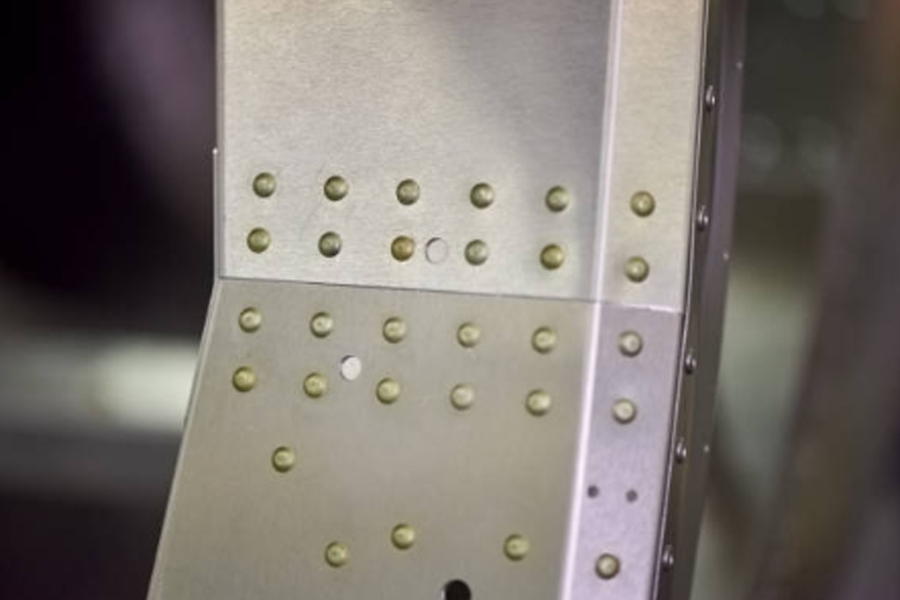
Optimization of equipment and tools
- Introduction of advanced riveting equipment: In sheet metal processing plants, the use of advanced riveting equipment is the basis for improving riveting quality. For example, the new CNC riveting machine can accurately control parameters such as riveting pressure, stroke and speed. Through pre-set programs, the CNC riveting machine can achieve precise riveting operations according to the thickness, material and riveting requirements of the plates in different parts of the energy storage cabinet. Compared with traditional manual riveting machines, CNC riveting machines greatly improve the consistency and accuracy of riveting, and effectively reduce riveting defects caused by differences in human operation, such as loose rivets and inadequate riveting.
- Use of high-quality riveting tools: Choosing suitable riveting tools is also an important part of optimizing the riveting process. For example, for the common thin plate connection in the sheet metal processing of energy storage cabinets, the use of special thin plate riveting tools can better adapt to the characteristics of thin plate materials and avoid deformation or tearing of plates during riveting. At the same time, high-quality riveting molds can ensure the molding quality of rivets, make the rivets fit closely with the plates, and enhance the connection strength. In sheet metal chassis processing, suitable riveting tools can also ensure the firmness of the chassis structure, which is similar to the riveting requirements of energy storage cabinets, and both require optimizing tools to improve the riveting effect.
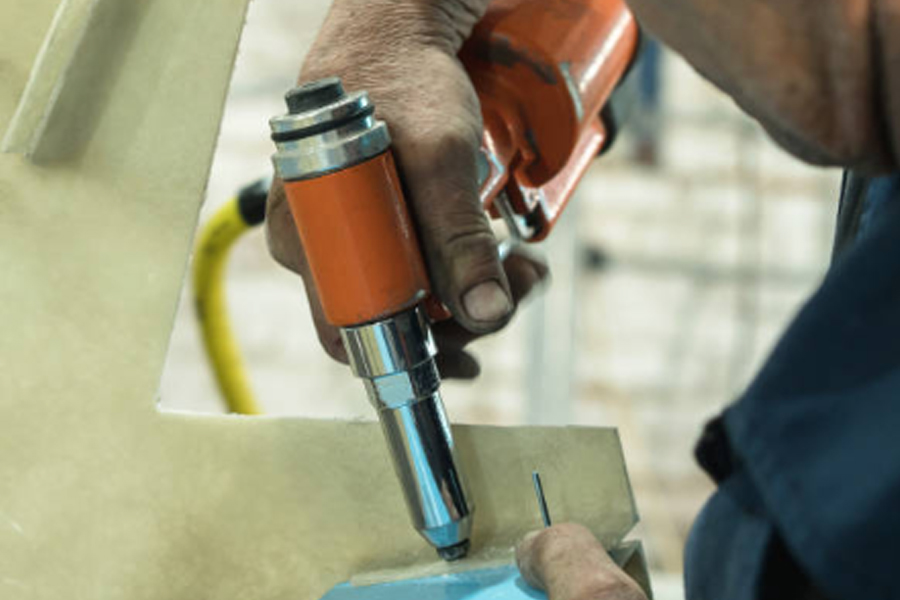
Material matching and pretreatment
- Rivet material selection: In energy storage cabinet sheet metal processing, the selection of rivet materials is crucial. Different sheet materials need to match the corresponding rivet materials to ensure good connection performance and corrosion resistance. For example, for energy storage cabinet sheets made of aluminum alloy, the use of aluminum alloy rivets can avoid electrochemical corrosion caused by the potential difference between different metals. At the same time, the strength and toughness of the rivet also need to match the sheet to ensure that the riveted joint will not break easily when subjected to external force. In the processing of medical product parts, the selection of materials is also rigorous. Similarly, the appropriate selection of energy storage cabinet rivet materials is a key step in optimizing the riveting process.
- Sheet pretreatment: Pretreatment of the sheet metal sheet of the energy storage cabinet can significantly improve the riveting quality. After laser sheet metal processing, some oxide layer, oil stains or impurities may remain on the surface of the sheet, which will affect the bonding force between the rivet and the sheet. Therefore, before riveting, the plate needs to be cleaned, degreased and surface polished to remove surface impurities, make the plate surface clean and rough, increase the contact area and friction between the rivet and the plate, and thus improve the firmness of the riveting.
Operation process and quality control optimization
- Reasonable planning of riveting sequence: In the riveting process of the energy storage cabinet, reasonable planning of the riveting sequence can effectively reduce the generation of internal stress and improve the riveting quality. Generally speaking, riveting should start from the key parts of the structure and gradually expand to the periphery to ensure that each component can be evenly stressed during the riveting process. At the same time, it is necessary to avoid concentrating too many rivets in the same area to avoid excessive local stress and deformation of the plate. For example, when assembling the side panels and bottom panels of the energy storage cabinet, the rivets at the four corners are fixed first, and then the rivets in the middle are riveted in sequence, so that the side panels and bottom panels can fit better and reduce the risk of deformation.
- Strict quality inspection: Establishing a strict quality inspection mechanism is an important guarantee to ensure the optimization effect of the riveting process. After riveting is completed, the riveted joints are fully inspected through appearance inspection, knocking inspection and tension test. The appearance inspection mainly observes whether the rivets are loose, deformed, offset, etc.; the knocking inspection judges whether the riveting is firm by knocking the rivets according to the sound; the tension test applies tension to the riveted joints through professional equipment to detect whether its connection strength meets the requirements. Only energy storage cabinets that have been strictly tested to ensure qualified riveting quality can enter the next production link.
To optimize the riveting process in the sheet metal processing of energy storage cabinets, it is necessary to start from multiple aspects such as equipment, materials, operating procedures and quality control. Through continuous improvement and perfection, the structural strength and stability of energy storage cabinets can be improved, providing more reliable product support for the development of the energy storage industry.