

In the production and manufacturing process of inkjet printers, the quality of its shell is crucial, and surface flatness is one of the key indicators to measure the sheet metal processing level of inkjet printer shells. A flat surface inkjet printer shell can not only enhance the appearance of the product, but also have a positive impact on the performance and durability of the inkjet printer. So, how to effectively control the surface flatness of the inkjet printer shell during sheet metal processing?
Material selection is the basis
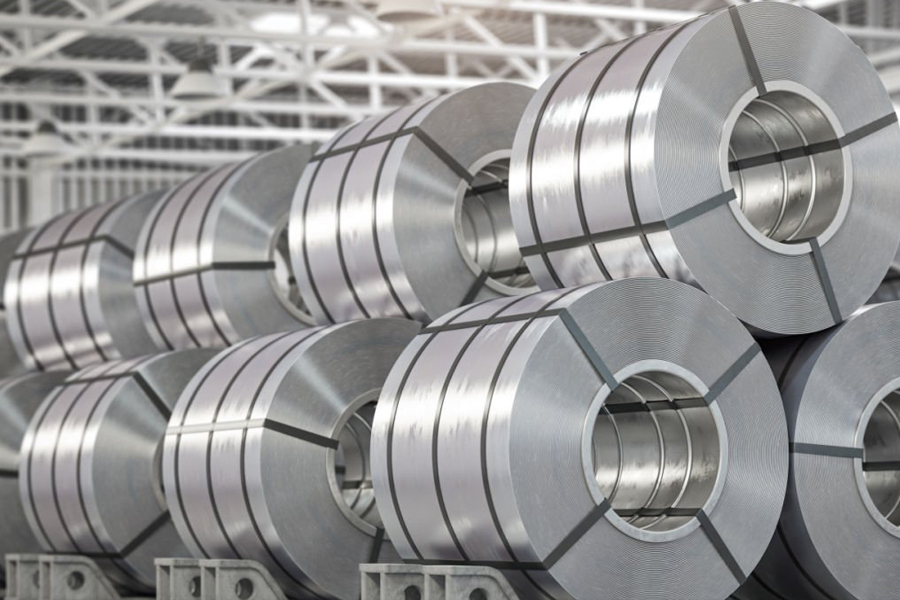
In the field of precision sheet metal manufacturing, the selection of materials plays a decisive role in the surface flatness of the inkjet printer shell. Based on the experience of sheet metal processing plants, the first step is to give priority to high-quality and flat sheet metal materials. For example, high-quality cold-rolled steel sheets have good flatness and uniform thickness tolerance, which can better maintain shape stability during processing. In contrast, some poor-quality plates may have problems such as uneven internal stress and large thickness deviation. In subsequent processing, it is very easy to cause surface deformation due to stress release, affecting flatness. In fields with extremely high precision requirements such as medical product parts processing, the selected materials are strictly screened. Similarly, when processing the sheet metal of the printer housing, strict control of the material can lay a solid foundation for the subsequent surface flatness control.
The key role of processing equipment and technology
- Advanced cutting equipment: In sheet metal processing, cutting is the first process, and the cutting accuracy directly affects the subsequent flatness. Laser sheet metal processing technology has become an ideal choice for cutting the printer housing with its advantages of high precision, high speed and small heat-affected zone. Laser cutting can accurately cut according to the design size, and the incision is flat and smooth, with almost no burrs. Compared with traditional mechanical cutting, laser cutting can effectively reduce the deformation of the sheet caused by cutting stress, thereby better ensuring the surface flatness of the printer housing. For example, when cutting the contour of the printer housing with a complex shape, laser cutting can achieve fine cutting, avoiding local protrusions or depressions caused by cutting errors.
- Precise bending process: Bending is an important part of shaping the shape of the printer housing, and precise bending process is crucial to surface flatness. During the processing of the sheet metal chassis, advanced CNC bending equipment can accurately control the bending angle and strength. Through pre-set programs, the equipment can achieve precise bending operations according to the material, thickness and other parameters of the plate. For example, when bending the right-angled edge of the inkjet printer housing, the CNC bending machine can ensure the verticality and flatness of both sides to avoid unevenness or angle deviation at the bend. Moreover, a reasonable bending sequence should not be ignored. Bending in a scientific order can minimize the accumulation of internal stress in the plate and maintain surface flatness.
- Optimization of welding process: For some inkjet printer housings that need to be welded and assembled, the welding process has a great impact on the surface flatness. In medical sheet metal processing, the welding quality requirements are extremely high, and its welding process is also applicable to inkjet printer housing processing. The use of advanced welding technology, such as argon arc welding, can achieve high-quality welding. The heat of argon arc welding is concentrated, and the thermal effect on the plate during welding is small, which can effectively reduce welding deformation. At the same time, during the welding process, reasonable control of welding current, voltage and welding speed, as well as the use of appropriate welding sequence and fixtures can further reduce the risk of welding deformation and ensure the surface flatness of the inkjet printer housing after welding.
Post-processing to improve flatness
After the processing of the printer shell is completed, a series of post-processing is required to further improve the surface flatness. For example, through grinding and polishing processes, small surface flaws, scratches and welding marks can be removed to make the shell surface smoother and flatter. When grinding, choose the appropriate sandpaper mesh according to different surface conditions, gradually transition from coarse sandpaper to fine sandpaper, and gradually refine the surface. Polishing can be done by mechanical polishing or chemical polishing to further improve the gloss and flatness of the surface. In addition, it is also very necessary to stress-relieve the shell of the printer. Through methods such as heat treatment or vibration aging, the internal stress generated during the processing can be eliminated to prevent the shell from deforming due to stress release during subsequent use, thereby maintaining the surface flatness for a long time.
Surface flatness control of sheet metal processing of printer shell is a systematic project, involving various links from material selection to processing technology to post-processing. Only by strictly controlling each link can a printer shell with a smooth surface and excellent quality be manufactured to meet the market’s demand for high-quality printers.