

In the medical industry, the reliability of every piece of medical equipment is crucial to people’s lives and health. From surgical instruments to the shells of imaging devices, sheet metal processing technology directly affects the sealing performance, corrosion resistance, and long – term stability of products. This article will conduct an in – depth analysis of the core technologies of sheet metal processing for medical accessories, demonstrating how precision manufacturing provides solid support for the upgrading of medical devices.
Special Processing Requirements in the Medical Industry
Sheet metal processing for medical accessories needs to meet three core standards:
- Biocompatibility of materials: It is advisable to give priority to materials such as 316L medical – grade stainless steel and 6061 – T6 aluminum alloy that have passed the ISO 10993 certification, ensuring safety during long – term contact with the human body.
- Clean production environment: Processes such as cutting and bending should be carried out in a Class 10,000 clean workshop to avoid dust pollution, complying with the GMP and ISO 13485 medical device production specifications.
- Micron – level precision control: The tolerance of key connection parts should be controlled within ±0.05mm, such as the seams of ventilator shells and the sheet metal frames of blood analyzers, to ensure the airtightness and structural stability of the equipment.
Analysis of Core Technical Advantages
- Laser Cutting: Precise Shaping of Complex Structures
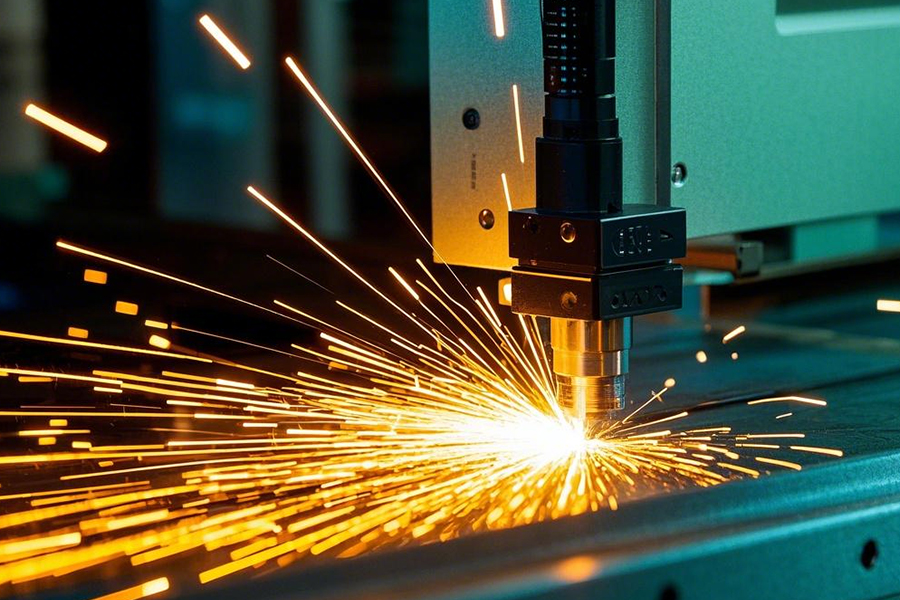
By adopting fiber laser cutting technology, burr – free cutting of medical accessories with a wall thickness of 0.1mm can be achieved. It is especially suitable for processing micro – holes and special – shaped structures of endoscope instrument brackets and micro – sensor shells. The surface roughness of the cut (Ra) is ≤3.2μm, reducing subsequent polishing processes.
- Precision Bending: One – time Forming at Multiple Angles
Through the cooperation of a servo – electric bending machine and 3D simulation software, multi – process bending can be carried out on products such as implant instrument trays and CT machine shields. The angle error is ≤0.5°, eliminating assembly deviations caused by spring back.
- Surface Treatment: Dual – Protection System
Electrolytic polishing: It can improve the surface finish of stainless steel to a mirror effect, reducing the risk of bacterial adhesion.
Nano – coating: Antibacterial coatings are applied in scenarios such as monitor shells, passing the ASTM E2180 antibacterial test.
Full – Process Service Capability
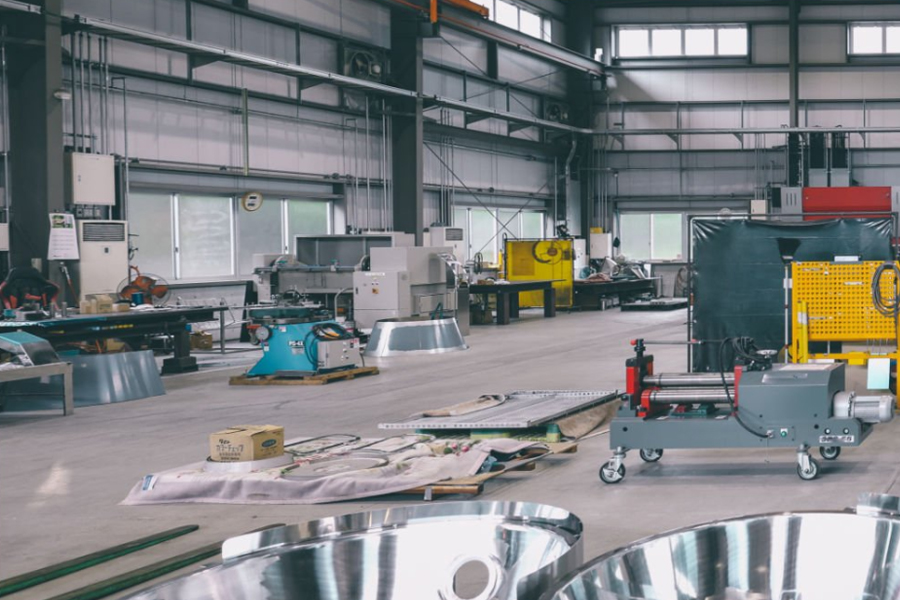
To meet the rapid iteration requirements of medical devices, we have established a one – stop service system from design to mass production:
- Requirement analysis stage: We collaborate with materials science experts to recommend the optimal material and process combination schemes according to usage scenarios such as disinfection frequency and load – bearing capacity.
- Process design stage: Finite element analysis (FEAR) is used to simulate the stress state of sheet metal parts, optimizing the layout of stiffeners and enhancing the fatigue resistance of products such as orthopedic fixation plates.
- Production control stage: A full – traceability system records the processing parameters of each batch of products, supporting the FDA 21 CFR Part 11 electronic data compliance requirements.
Sheet metal processing for medical accessories is not merely a process of metal forming but also a solemn commitment to people’s lives and health. Through clean environment management, micron – level precision standards, and a full – traceability system, we are dedicated to providing safe and reliable precision manufacturing services for the medical industry, facilitating the rapid launch of innovative medical devices.