

In the complex world of manufacturing, the process table is like a beacon, illuminating the way forward for the production process. So, what exactly is a process table?
In simple terms, a process table is a document that plans and records each process step in the product manufacturing process in detail. It covers every key link from raw materials to finished products, including important information such as processing methods, processing parameters, equipment used, and inspection requirements. Taking a precision component produced by Chuntian Machinery as an example, the process table will first clarify the types, specifications, and performance requirements of the required raw materials. For example, if high-strength alloy steel parts are produced, the process table will specify the steel grade, hardness range, and inspection standards of the raw materials in detail to ensure that the materials put into production meet the requirements.
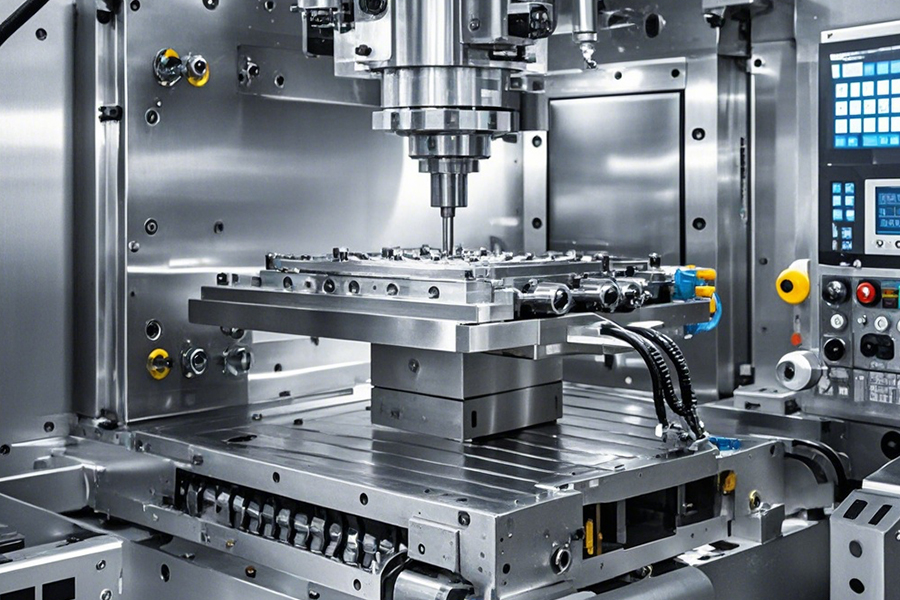
In the processing link, the process table has an accurate description of each process. It will specify the machine tool equipment to be used, such as a certain model of CNC machining center of Chuntian Machinery, and specify specific processing parameters, such as cutting speed, feed rate, cutting depth, etc. The determination of these parameters is not arbitrary, but is obtained through a large number of process tests and optimizations, aiming to achieve the highest production efficiency while ensuring processing accuracy and quality. For example, when milling a part with a complex shape, the cutting speed and feed rate settings in the process table will be comprehensively considered according to factors such as the hardness of the part material, the material and geometry of the tool, etc., to ensure that the roughness, dimensional accuracy and other indicators of the machined surface meet the design requirements.
The process table also contains key information for the inspection link. After each important process is completed, quality inspection is required according to the inspection items, inspection methods and inspection standards specified in the process table. For example, for the size of the processed part, it may be required to use a three-coordinate measuring machine for precise measurement, and the tolerance range is controlled within a very small value. For surface quality, the roughness detection method and qualified standard will be clearly specified. If the inspection finds that a part does not meet the requirements of the process table, it is necessary to analyze and correct it, which may be to adjust the processing parameters, or to maintain the equipment or replace the tool.
In addition, the process table will also involve some auxiliary processes, such as heat treatment and surface treatment of parts. Taking the heat treatment process as an example, the process table will indicate the process type of heat treatment, such as the temperature, time, cooling medium and other parameters of quenching and tempering, which will have a significant impact on the final performance of the part. For surface treatment, such as electroplating and spraying, the process table will specify the thickness, color, adhesion and other requirements of the coating to ensure that the parts not only have good internal quality, but also have the appearance and protective performance that meet the requirements.
Chuntian Machinery has strict processes and standards in the formulation and implementation of process tables. During the new product development stage, the company’s technical team will conduct in-depth research on the design requirements and performance indicators of the products, and carefully compile process tables based on its own equipment capabilities, process experience and industry standards. During the production process, the front-line operators strictly follow the requirements of the process table, and the quality control personnel conduct inspections and supervision based on the process table. At the same time, Chuntian Machinery will continuously optimize and update the process table based on feedback and technological progress in the production process to ensure that the production process is always in an efficient and high-quality state.
The process table is an indispensable and important document in the manufacturing industry. It is a bridge connecting product design and production manufacturing, and provides precise guidance and specifications for the production process. Excellent companies such as Chuntian Machinery have achieved stable improvement in product quality and continuous optimization of production efficiency through rigorous formulation and implementation of process tables, standing out in the fierce market competition, and setting an example for the standardization and refinement of the entire manufacturing industry.