

In the field of mechanical processing and manufacturing, CNC (computer numerical control) and sheet metal are two common concepts, and they have obvious differences.
From the processing principle point of view, CNC processing is to accurately control the movement of machine tools through computer programs to perform cutting, drilling, milling and other operations on various materials. It can process various types of materials, such as metal, plastic, wood, etc., to achieve complex shapes and high-precision parts manufacturing. For example, when manufacturing aerospace parts, CNC machine tools can accurately process a piece of metal billet into parts with specific shape and dimensional tolerance requirements according to pre-written programs, such as engine blades, landing gear parts, etc., and the processing accuracy can reach micron level or even higher.
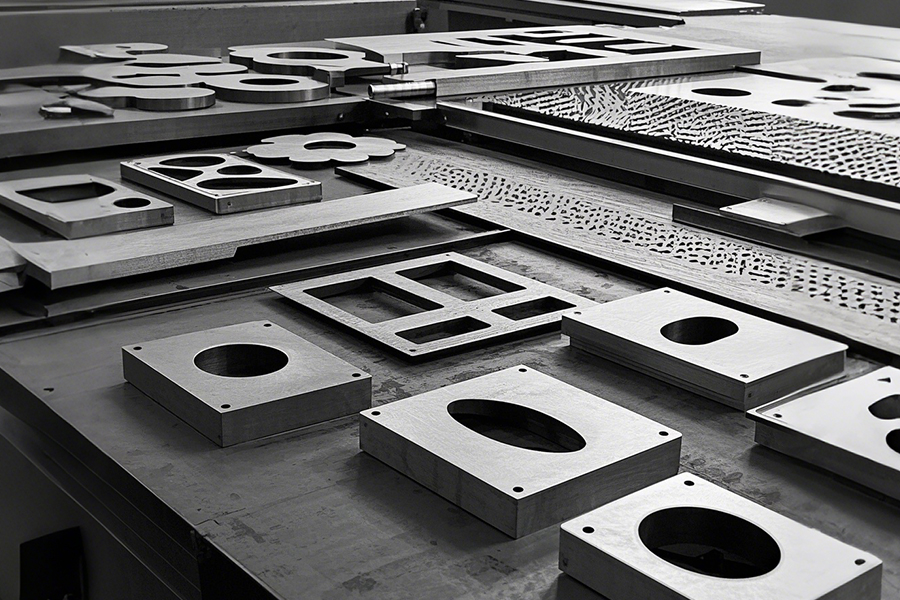
Sheet metal processing is mainly for metal sheet materials, usually using bending machines, shearing machines, punching machines and other equipment to bend, shear, stamp and form thin plates. Sheet metal processing focuses on changing the shape and structure of metal sheets, and through these processes, the thin plates are made into various cabinets, shells, brackets and other products. For example, in the manufacture of electrical equipment, the chassis shell is often made by sheet metal processing. The metal sheet is first cut into the appropriate size, and then the required edges and shapes are folded by a bending machine. Finally, some surface treatments may be performed, such as painting, electroplating, etc.
In terms of application areas, CNC processing is widely used in the manufacture of products with extremely high precision requirements, complex shapes and diverse materials. In addition to aerospace, in the field of automobile manufacturing, the processing of key components such as engine cylinders and transmission gears cannot be separated from CNC technology; in the field of medical devices, precision surgical instruments, implants, etc. are also mostly processed by CNC. Sheet metal processing is mainly used in the manufacture of electronic appliances, communication equipment, mechanical equipment shells and some metal structural parts. For example, computer mainframes, distribution boxes, and cabinets of communication base stations are typical products of sheet metal processing.
From the perspective of equipment and process characteristics, CNC processing requires high-precision CNC machine tools, which have high equipment costs and require high programming and machine tool operation skills of operators. Automated mass production can be achieved during CNC processing, but programming and debugging are relatively complicated. Chuntian Machinery has advanced equipment and a professional technical team in CNC processing, and can provide customers with high-precision, high-quality customized parts processing services.
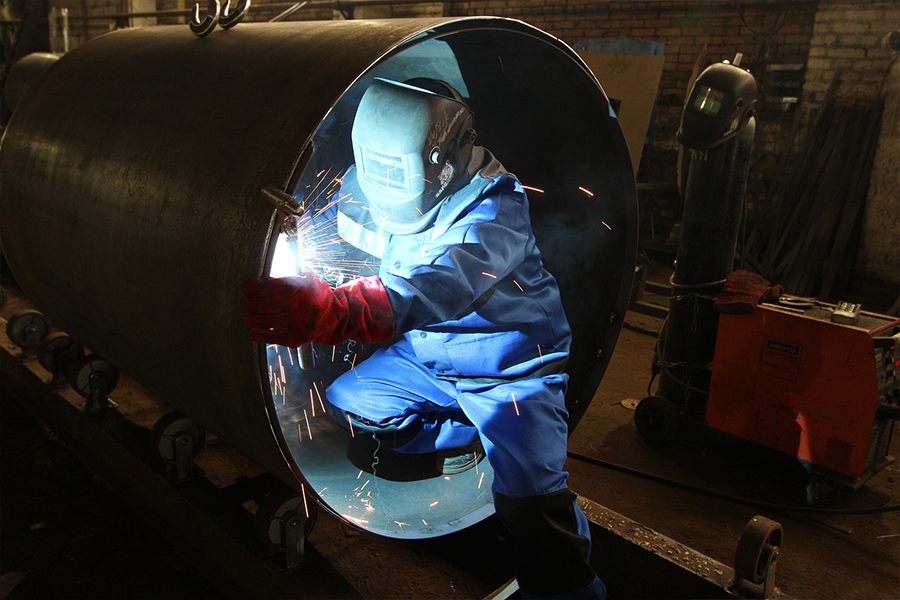
The equipment for sheet metal processing is relatively diverse, including shearing machines, bending machines, punching machines, etc., and the equipment cost has a large span. The process of sheet metal processing is relatively intuitive, and the operator mainly masters the operation skills of the equipment and the use of molds. However, sheet metal processing requires the production of corresponding molds during mass production, and the cost and production cycle of the molds will have a certain impact on production. Chuntian Machinery focuses on process optimization and quality control during sheet metal processing, and can quickly and efficiently complete the manufacture of sheet metal products according to customer needs.
In terms of product accuracy and surface quality, CNC processing can achieve very high dimensional accuracy and good surface roughness due to its high-precision cutting and control. Although sheet metal processing can also meet the requirements of general industrial products in terms of accuracy, in comparison, its accuracy is mainly concentrated in the millimeter level, which is difficult to achieve for some ultra-precision requirements, and the surface quality may leave some traces after bending, stamping and other processes, which usually requires subsequent surface treatment to improve.
In summary, there are significant differences between CNC and sheet metal in terms of processing principles, application areas, equipment technology, product precision and surface quality. Understanding these differences will help you choose the appropriate processing method according to product requirements during the mechanical manufacturing process. With its professional capabilities in these two aspects, Chuntian Machinery can provide comprehensive mechanical processing solutions for customers with different needs and promote the efficient development of the manufacturing industry.