
In industrial production, the leveling process is crucial to ensure the flatness of materials. anal peachesbear Mechanical leveling and laser leveling are two commonly used methods, each with its own advantages and disadvantages.
Mechanical leveling is a more traditional method. Its working principle is mainly based on the action of mechanical force. For example, the common roller leveling machine uses multiple sets of rollers that are staggered up and down and have a certain gap. When the material passes through the rollers, the rollers exert pressure on the material, causing the material to plastically deform, thereby achieving the purpose of leveling. The advantages of this method are significant:
- The equipment cost is relatively low: For some small and medium-sized enterprises with limited budgets, it is easier to afford the purchase of mechanical leveling equipment economically.
- Wide range of uses: Mechanical leveling is suitable for materials of various thicknesses and materials. Whether it is thicker metal sheets or plastic sheets with a certain toughness, it can be effectively leveled.
- Simple operation: The operation of mechanical leveling is relatively simple, the technical threshold is not high, and the operator can master it after a short period of training.
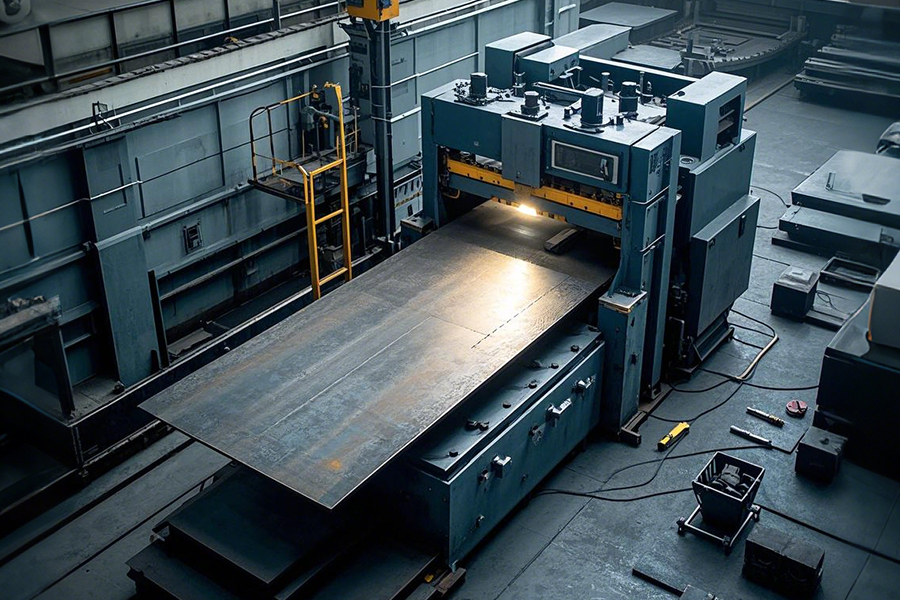
However, mechanical leveling also has some shortcomings. Since the material is squeezed by rollers, it is easy to leave marks on the surface of the material. For products with high surface quality requirements, such as the shell materials of precision electronic equipment, it may affect its appearance and subsequent processing. In addition, the accuracy of mechanical leveling is limited, and it is difficult to meet the needs of some high-end manufacturing industries with extremely high flatness requirements.
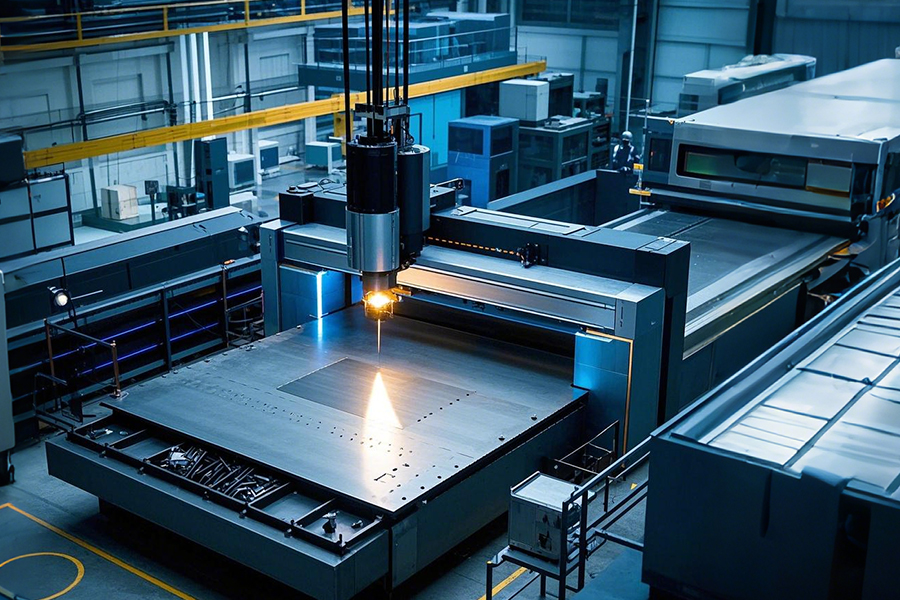
Laser leveling is an emerging leveling technology. It uses a high-energy-density laser beam to irradiate the surface of the material, causing the material to expand and contract when heated, thereby achieving leveling. The accuracy of laser leveling is very high, and the flatness of the material can be controlled within a very small range, which is extremely critical for industries with strict precision requirements such as aerospace and optical instruments. At the same time, laser leveling is a non-contact processing that will not cause mechanical damage to the surface of the material. It can perfectly retain the original surface quality of the material, which is conducive to subsequent surface treatment processes such as painting and electroplating. Furthermore, laser leveling can accurately control the laser energy, spot size, scanning path and other parameters through a computer to achieve a highly automated and intelligent leveling process, improve production efficiency and the stability of leveling quality. However, the equipment cost of laser leveling is high. Not only are the core components such as laser generators expensive, but the requirements for the working environment are also relatively strict, such as the need to be equipped with a special cooling system, protective devices, etc., which limits its application scope to a certain extent. In addition, the leveling effect of laser leveling on some thick materials or high-reflectivity materials may not be as ideal as mechanical leveling.
In summary, mechanical leveling and laser leveling each have their own unique advantages and disadvantages. In actual industrial production, enterprises need to comprehensively consider various factors such as their own product characteristics, production scale, budget, and requirements for flatness, and choose the leveling method that best suits them to achieve the best leveling effect and economic benefits.