

In the precision manufacturing of life sciences and medical device components, the surface condition of parts directly determines product safety, reliability, and service life. For example, the smoothness of surgical instruments affects sterilization effectiveness, while metal components in analytical instruments need to possess corrosion resistance to withstand harsh experimental environments.
These high-performance requirements make surface treatment processes an essential part of precision manufacturing. However, traditional surface treatment methods often face issues such as insufficient precision, poor consistency, and high costs—e.g., manual polishing struggles to ensure uniform surface quality in bulk parts, and conventional plating processes may pose a risk of coating detachment. How to improve the quality of components through scientific surface treatment processes has become a common challenge for many precision manufacturing companies.
Core Value and Industry Pain Points of Surface Treatment Processes in Precision Manufacturing
Precision manufacturing requires surface quality far beyond ordinary processing—not only in terms of dimensional accuracy but also in terms of special properties such as wear resistance, corrosion resistance, and biocompatibility. For example, the surface of medical implants must be absolutely smooth and free of pores to prevent bacterial growth and tissue rejection.
However, many companies still rely on traditional processes: manual grinding is inefficient and quality is unstable, and chemical treatments may cause environmental pollution while being difficult to control in terms of precision. These pain points not only restrict the improvement of product quality but also increase production costs and compliance risks. Therefore, selecting efficient and reliable surface treatment processes has become the key for precision manufacturing companies to break through these bottlenecks.
Principles and Comparative Analysis of Three Core Surface Treatment Processes
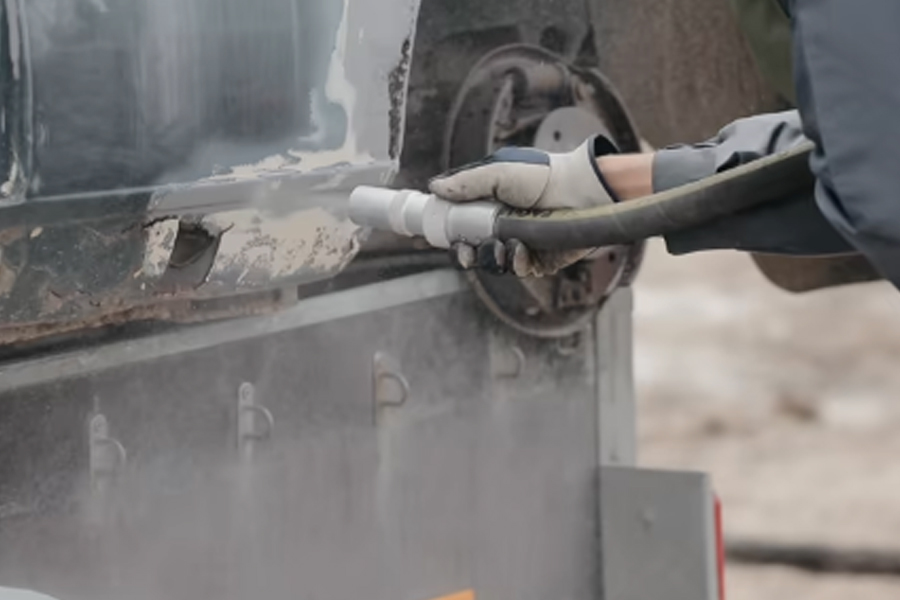
- Sandblasting Process: The principle of sandblasting is to use compressed air to rapidly project abrasive material onto the workpiece surface, changing its state through impact and cutting action. The main function is to remove surface oxide layers, oil, or burrs, while increasing surface roughness to enhance the adhesion of subsequent coatings. Compared to other processes, sandblasting offers high processing efficiency and can quickly improve surface cleanliness and roughness but does not achieve a mirror finish.
- Polishing Process: Polishing involves using flexible tools and abrasives to remove micro imperfections on the surface of a workpiece, achieving a smooth or mirror-like finish. Unlike sandblasting, polishing does not alter the macroscopic shape of the surface but focuses on improving surface smoothness. This process can effectively eliminate scratches and burrs, allowing parts to meet higher appearance and performance standards.
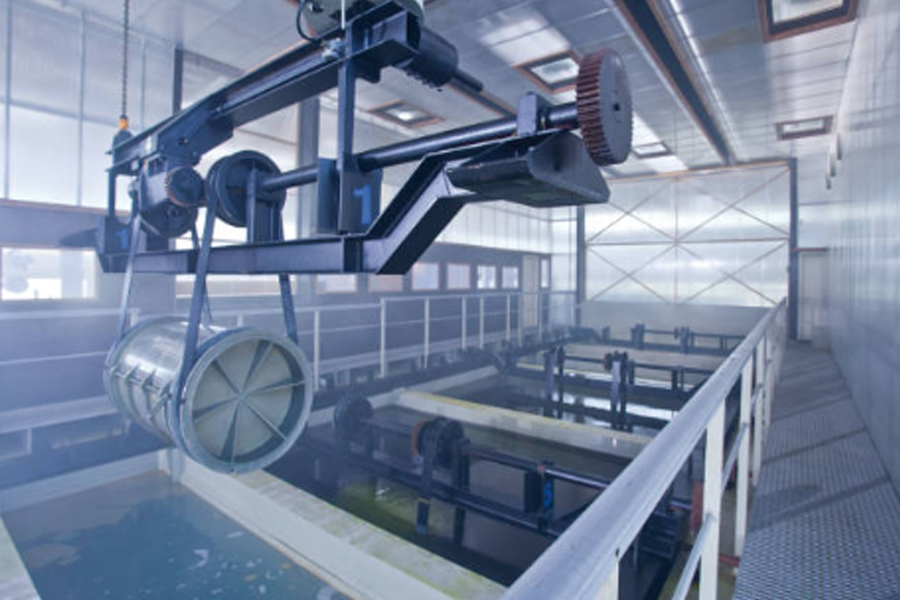
- Electroplating Process: Electroplating relies on electrolysis to deposit a thin metallic coating onto the workpiece surface, with common coatings including chrome or nickel. This process significantly improves corrosion resistance and wear resistance, as well as enhancing the appearance of the part. Compared to sandblasting and polishing, electroplating offers the advantage of imparting new surface properties to parts, but it requires careful pre-treatment—any oil or contaminants on the surface can reduce the coating’s adhesion.
Application Scenarios and Practical Effectiveness of Each Process
Sandblasting is commonly used for the pre-treatment of precision mechanical parts, such as cleaning aerospace components or adjusting the roughness of medical device housings. For example, a life sciences instrument manufacturer improved the adhesion of anti-corrosion coatings by 30% on metal sample racks through sandblasting, effectively extending the product’s service life.
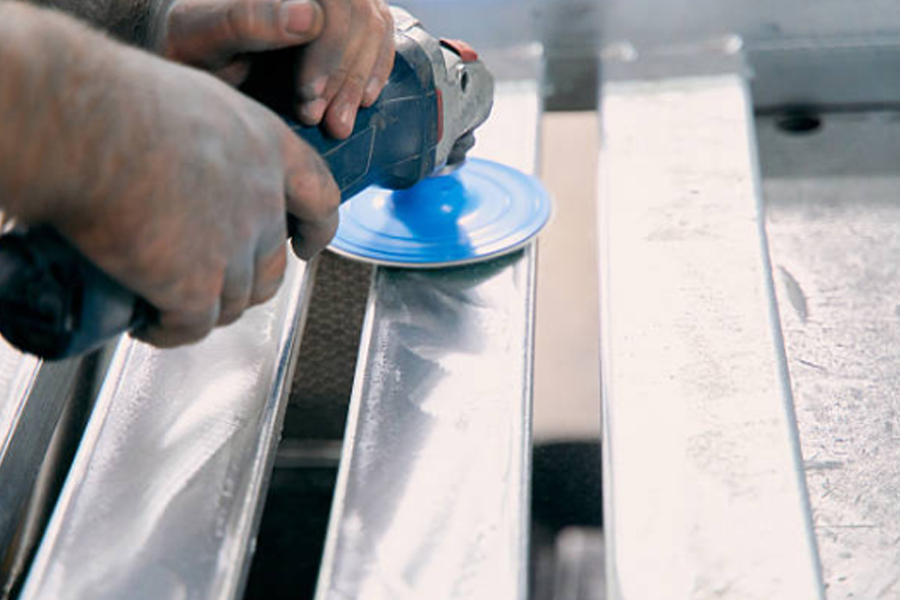
Polishing is widely applied in fields requiring high surface smoothness, such as medical surgical instruments and optical instrument components. For instance, a stainless steel surgical scalpel achieved a surface roughness of Ra 0.05μm or lower through precision polishing, meeting the sterilization requirements and reducing the risk of bacterial growth.
Electroplating is widely used in components requiring corrosion resistance and conductivity, such as electrode contacts in medical equipment or connectors in electronic instruments. For example, a medical device company used nickel plating on its sensor housings to achieve a salt-spray corrosion resistance of over 1,000 hours, far exceeding the industry standard of 500 hours.
Market Trends and Future Directions of Surface Treatment Processes in Precision Manufacturing
With the rapid development of the precision manufacturing industry, surface treatment processes are evolving towards automation, intelligence, and environmental friendliness. According to industry research data, the global market for surface treatment in precision manufacturing is expected to reach $12 billion by 2025, with an annual compound growth rate of over 8% for eco-friendly electroplating processes and automated polishing processes.
For example, laser polishing, as a new polishing technique, is gradually being applied in the manufacture of medical device components, offering higher precision and no consumable pollution, in line with modern manufacturing’s environmental requirements. For precision manufacturing companies, upgrading surface treatment processes in a timely manner not only enhances product competitiveness but also helps meet increasingly stringent industry standards and customer demands.
Choosing the Right Process to Help Companies Upgrade Quality
As manufacturers focused on life sciences and medical device components, companies need to continuously monitor innovations and applications in surface treatment processes. In actual production, the choice between sandblasting, polishing, and electroplating should be made scientifically, based on the product’s application scenarios, performance requirements, and cost considerations.
If you have questions or needs regarding surface treatment for precision components, feel free to contact our professional team—we will provide customized process solutions based on your product characteristics, helping your products achieve superior quality standards and gain a competitive edge in the market.