

คำอธิบายผลิตภัณฑ์
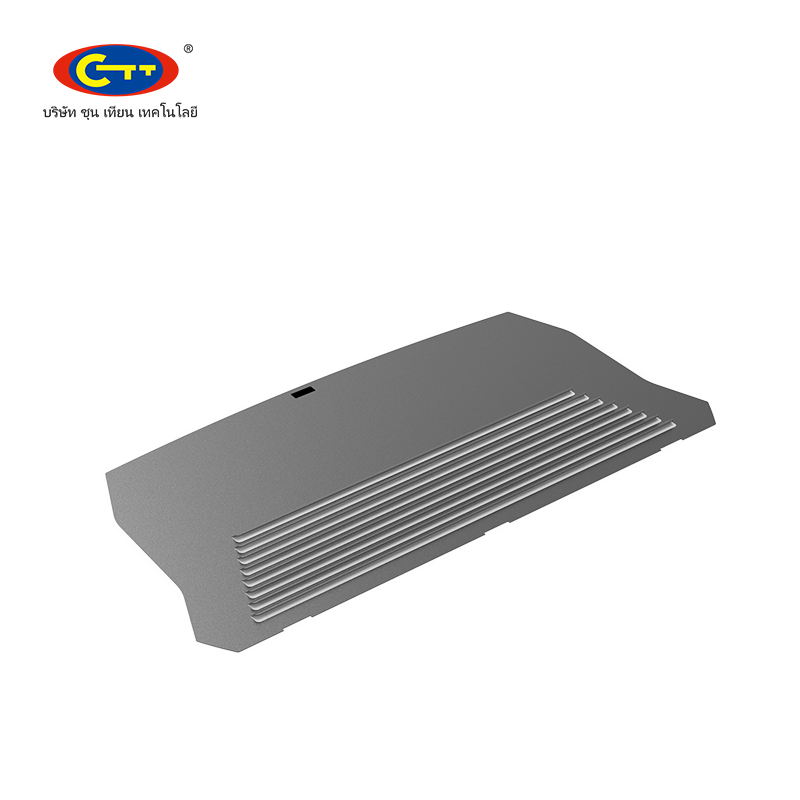
Among the many key components of a car, the bus radiator plays a vital role. It is not only related to the normal operation of the bus engine, but also directly affects the passengers’ riding experience and driving safety. The bus radiator, which is made by sheet metal processing and punching, has become a highlight in bus manufacturing with its unique advantages.
The main function of the bus radiator is to quickly dissipate the heat generated by the engine to keep the engine working within a suitable temperature range. This requires the radiator to have good thermal conductivity and heat dissipation area. Sheet metal processing technology plays an important role in this regard.
First of all, sheet metal processing can accurately shape the shape and size of the radiator. Select suitable metal sheets, such as aluminum alloys, which have good thermal conductivity and light weight. Advanced cutting equipment can cut the sheet into a specific shape to prepare for subsequent processing steps. During the sheet metal processing process, technicians will carefully design the shape of the radiator according to the design requirements of the bus and the heat dissipation requirements of the engine to ensure that it can maximize the heat dissipation area and improve the heat dissipation efficiency.
The punching process brings more functional advantages to the bus radiator. Punching holes on the heat sink can increase the air circulation and further improve the heat dissipation effect. The size, shape and distribution of the holes are carefully designed to ensure that the air can flow smoothly through the heat sink and take away the heat. At the same time, punching can also reduce the weight of the heat sink, reduce the overall weight of the bus, and improve fuel economy.
The sheet metal processing and punching process of the bus heat sink requires strict quality control. In the selection of raw materials, it is necessary to ensure that the quality of the metal sheet meets the standards and has good thermal conductivity, corrosion resistance and strength. During the processing, the size and position of the punching holes must be accurately controlled to ensure the overall structure of the heat sink is stable. At the same time, the processed heat sink must be strictly tested, including dimensional accuracy, flatness, heat dissipation performance and other aspects, to ensure that each heat sink can meet the use requirements of the bus.
In addition, the appearance design of the bus heat sink cannot be ignored. Through sheet metal processing and punching technology, a modern and technological appearance can be created to enhance the overall image of the bus. At the same time, the surface treatment of the heat sink is also very important. Spraying, anodizing and other processes can be used to improve the corrosion resistance and aesthetics of the heat sink.
In practical applications, the performance of bus radiators is directly related to the reliability and safety of buses. An efficient radiator can ensure that the engine can maintain a stable operating temperature under various working conditions and extend the service life of the engine. At the same time, good heat dissipation performance can also improve the comfort of the bus and provide passengers with a more comfortable riding environment.
In short, the bus radiator made by sheet metal processing and punching technology has become an indispensable and important component in bus manufacturing with its precise shape, good heat dissipation performance and beautiful appearance. In the future automobile manufacturing field, with the continuous advancement of technology, it is believed that the craftsmanship of bus radiators will be more exquisite and the performance will be more excellent, making greater contributions to the development of the bus industry.
ป้ายกำกับ: