

In the field of metal processing, there are three main processing methods, namely sheet metal processing, mechanical processing and casting processing. They each have unique process characteristics and application ranges, and there are obvious differences between them.
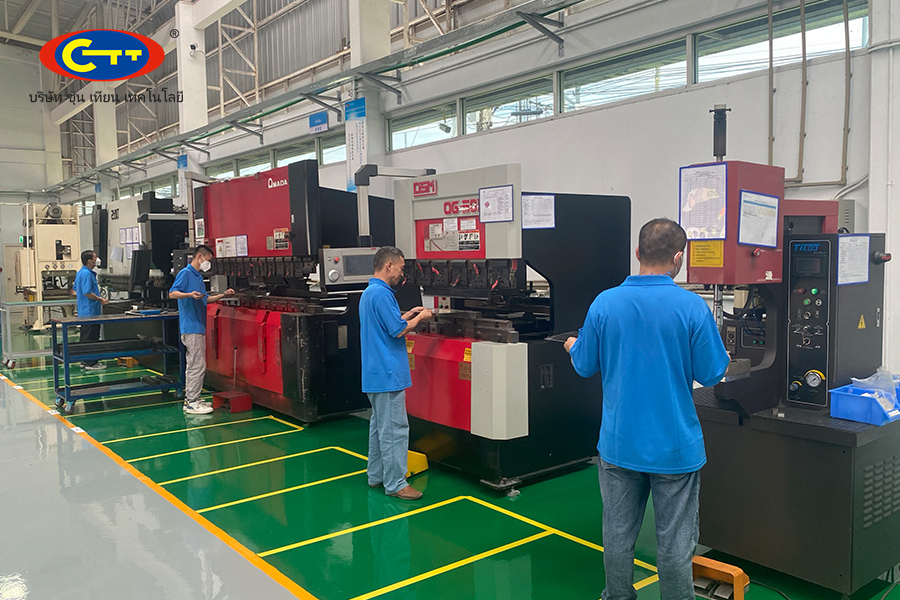
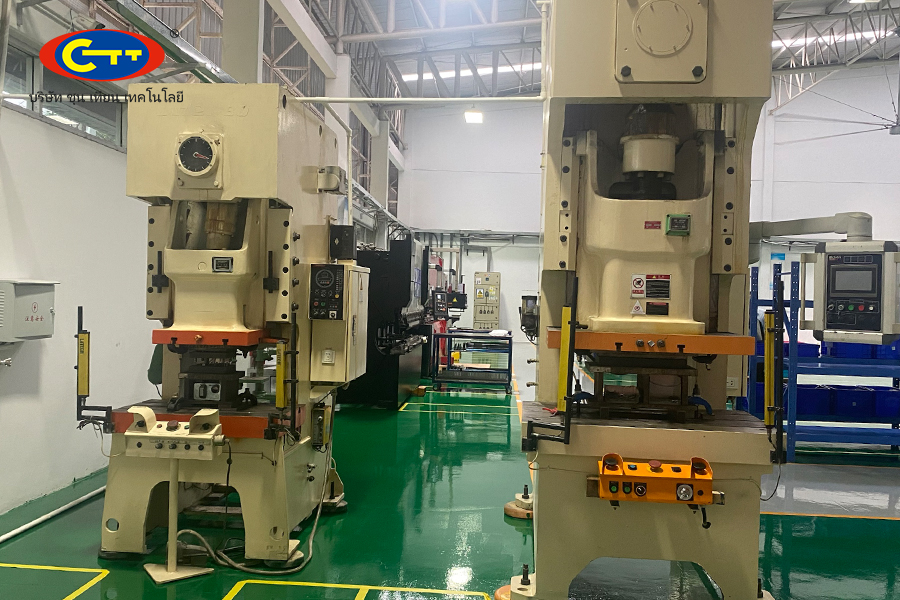
Sheet metal processing is a processing method for thin metal plates. In this field, Chuntian Machinery has rich experience and professional technology. It mainly shapes the shape of metal sheets through shearing, punching, folding, welding and other processes. For example, when making a metal distribution box, first use the shearing process to cut the large piece of metal sheet into a suitable size, then use the stamping process to punch out various installation holes and ventilation holes, and then use the bending process to fold the sheet into the sides of the box, and finally use the welding process to connect the various parts to form a complete distribution box. The advantage of sheet metal processing is that it can quickly and efficiently produce thin-plate metal products with relatively regular shapes, and for some products with certain appearance requirements, such as electrical housings, it can achieve better surface quality and aesthetics. Its processing accuracy is relatively high, which can meet the needs of most daily use scenarios, but there are certain limitations for some complex three-dimensional shape processing.
Machining is the use of various machine tools, such as lathes, milling machines, grinders, etc., to cut metal materials and remove excess materials to obtain the desired shape and size. When machining shaft parts, lathes can accurately turn shaft segments of different diameters and lengths, and control the feed rate and cutting speed of the tool to ensure the dimensional accuracy and surface roughness of the shaft. For parts with features such as planes, slots, and holes, milling machines can perform efficient milling. The accuracy of mechanical machining can reach a very high level, especially in the field of precision machinery manufacturing, and can meet the occasions with demanding requirements on the accuracy of parts, such as the blade processing of aircraft engines. However, mechanical machining is usually suitable for processing single or small batches of parts. For large-scale production of metal parts with complex shapes, its efficiency is relatively low, and the processing cost will increase significantly with the increase in precision requirements.
Casting is a method of pouring liquid metal into a specific mold cavity and forming parts after cooling and solidification. Products such as automobile engine cylinder blocks and radiators often use casting processes. Casting can produce parts with complex shapes. For some parts with complex internal cavity structures, casting can be formed in one go, which greatly reduces the subsequent processing steps. However, the surface quality of parts after casting is relatively poor, and subsequent processing such as grinding and cutting is often required to improve the surface accuracy. In addition, defects such as pores and shrinkage may occur during the casting process, affecting the quality and performance of the parts. Therefore, the control requirements of the casting process are relatively high.
In summary, the three metal processing methods of sheet metal processing, mechanical processing and casting processing have their own advantages and disadvantages. In actual industrial production, it is necessary to comprehensively consider factors such as the shape, size, precision requirements, production batch and cost of the parts, and select the most appropriate processing method to meet the diverse needs of different industries for metal products. Companies such as Chuntian Machinery will also flexibly use these processing methods according to the specific conditions of customers to provide customers with high-quality metal processing products and solutions.