

Flanging technology is a crucial technology in Zhuhai’s sheet metal processing industry that helps to improve the flanging’s height and edge quality. It enhances the quality of sheet metal products in conjunction with other operations including sheet metal riveting, stamping, and laser welding.
The flanging technology principle
Flanging technology is the technique of plastically deforming the edge of sheet metal using certain molds and processing tools to create a straight wall or flange that is a set height. The flexible qualities of metal components serve as the foundation for its idea. The metal molecules on the sheet’s edge rearrange themselves under pressure to produce a form change. The mold’s design is very important for flanging. A reasonable mold size and shape may direct the sheet’s regular deformation, providing the groundwork for enhancing the flanging’s height and edge quality.
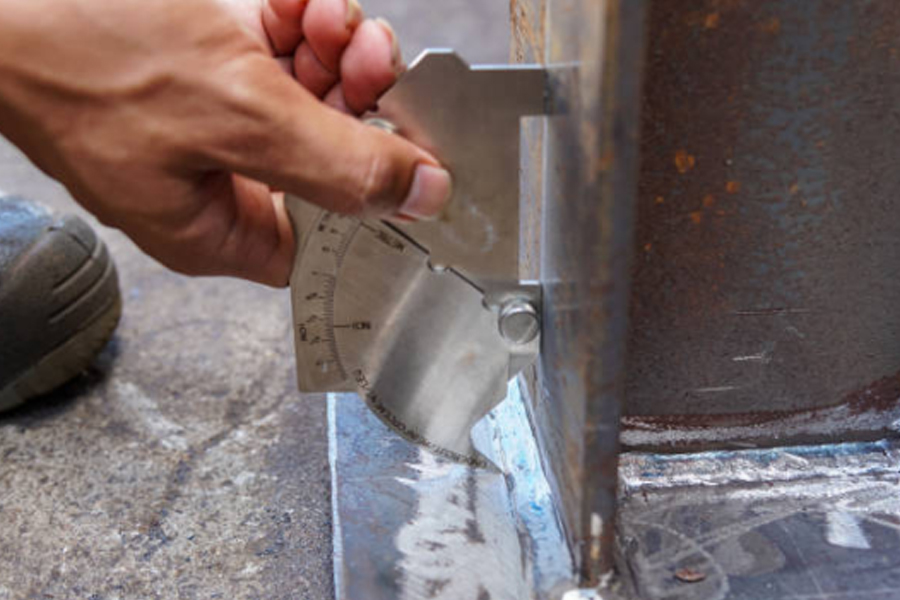
Important tips for raising the flanging’s height
Selection of materials and pretreatment: The foundation for raising the flanging’s height is appropriate sheet metal. Sheets of various materials and thicknesses are chosen for Zhuhai’s sheet metal processing based on various product specifications. In general, materials with more plasticity—like some types of aluminum alloy sheets—are better suited for flanging. Simultaneously, pretreatment of the sheet, such annealing, may increase the material’s plasticity, decrease its resistance to deformation, and facilitate the process of flanging a greater flanging height.
Optimizing mold and equipment: The secret to reaching high flanging height is sophisticated molds and machinery. High-precision molds may lessen the cracking brought on by stress concentration and guarantee that the sheet is uniformly strained throughout the flanging process. High-performance stamping equipment can precisely manage the stamping’s pressure, speed, and stroke throughout the sheet metal stamping process, allowing for a stable increase in flanging height. To guarantee that the flanging height satisfies the design specifications, for instance, the stamping parameters may be precisely changed based on the material and thickness of the sheet using CNC stamping equipment.
Crucial elements to enhance edge quality
Control of flanging process parameters: Controlling process parameters has a big influence on edge quality in the flanging process. The secret to guaranteeing edge quality is using the proper flanging radius, flanging speed, and flanging force. The edge may wrinkle if the flanging speed is too high, and it is simple to produce edge rupture if the flanging radius is too narrow. The optimal set of process parameters to successfully enhance edge quality may be found by conducting several experiments and gaining expertise.
Technology for further processing: Sheet metal components often need further processing techniques after flanging in order to further enhance the edge quality. Sheet metal laser welding offers special benefits for fixing small flaws on the flanging’s edge, which may result in a flatter and smoother edge. Additionally, the use of techniques like sheet metal riveting may improve the overall edge quality by strengthening the flanging part’s connection and preventing the edge from deforming or loosening.
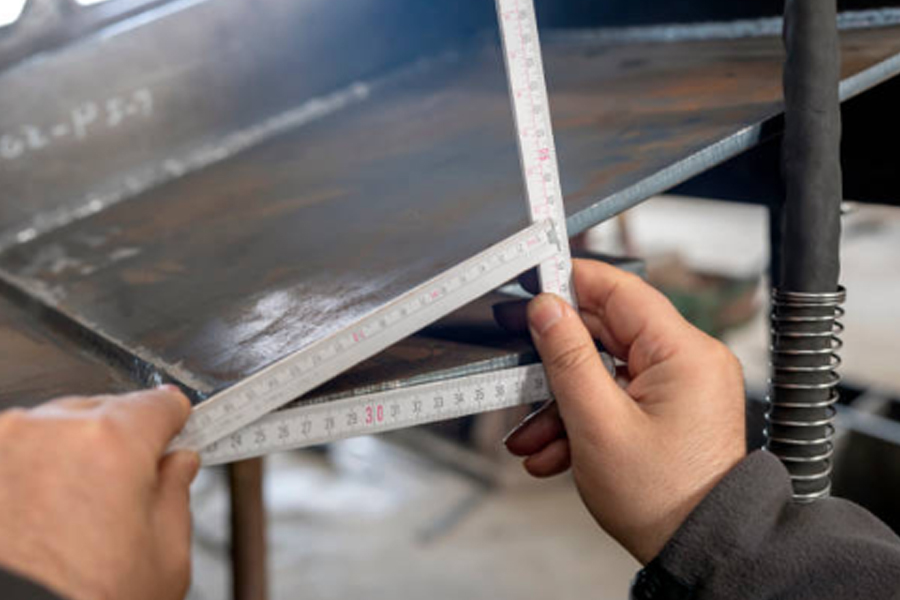
The uses and benefits of flanging technology
A lot of different areas of Zhuhai sheet metal processing employ flanging technique. The flanging technique may be used to improve the flanging height in the manufacturing of electronic equipment housings, improving the housing’s structural strength and sealing. Additionally, a product’s feel and look are enhanced by high-quality edges. By raising the flanging height and edge quality during the sheet metal processing of automobile parts, the flanging process not only satisfies the parts’ assembly requirements but also enhances the parts’ longevity and dependability.
Because of its ability to improve the flanging height and edge quality, the flanging process has a significant place in Zhuhai sheet metal processing. The benefits of the flanging process can be fully utilized to provide high-quality edge processing for a variety of sheet metal products and support the ongoing growth of Zhuhai’s sheet metal processing industry by carefully choosing materials, optimizing molds and equipment, precisely controlling process parameters, and implementing the right subsequent processing techniques.