

In the medical equipment industry, precision is everything — not only inside the device but also in the way it is protected and presented. The enclosure of a medical device does more than hold components together; it ensures safety, hygiene, durability, and compliance with international standards.
That’s where sheet metal fabrication comes into play. From diagnostic systems to patient monitoring equipment, sheet metal fabrication provides the robust, customizable, and clean solutions that modern medical device design demands.
At Chuntian Technology (Thailand) Co., Ltd., we specialize in precision sheet metal fabrication tailored to the medical and laboratory industries. This article explores how high-quality sheet metal fabrication contributes to reliable and compliant medical device enclosure design — from materials and manufacturing processes to finishing, assembly, and certification readiness.
Why Medical Devices Require Specialized Enclosures
Medical devices are unlike general electronics or industrial machinery. They operate in environments where safety, sterility, and reliability are non-negotiable. The enclosure must not only protect internal electronics but also resist corrosion, enable easy cleaning, and meet strict medical regulations.
Key requirements for medical device enclosures include:
-
Biocompatibility: Materials should not react adversely with disinfectants or contact surfaces.
-
Hygiene and Sterilization: Smooth surfaces and minimal joints prevent bacterial buildup.
-
Durability: Enclosures must resist chemicals, moisture, and frequent handling.
-
EMI Shielding: Protection from electromagnetic interference for sensitive equipment.
-
Regulatory Compliance: Must meet ISO 13485, FDA, or CE standards for medical manufacturing.
Sheet metal fabrication is ideal for meeting these criteria due to its strength, precision, and versatility in design.
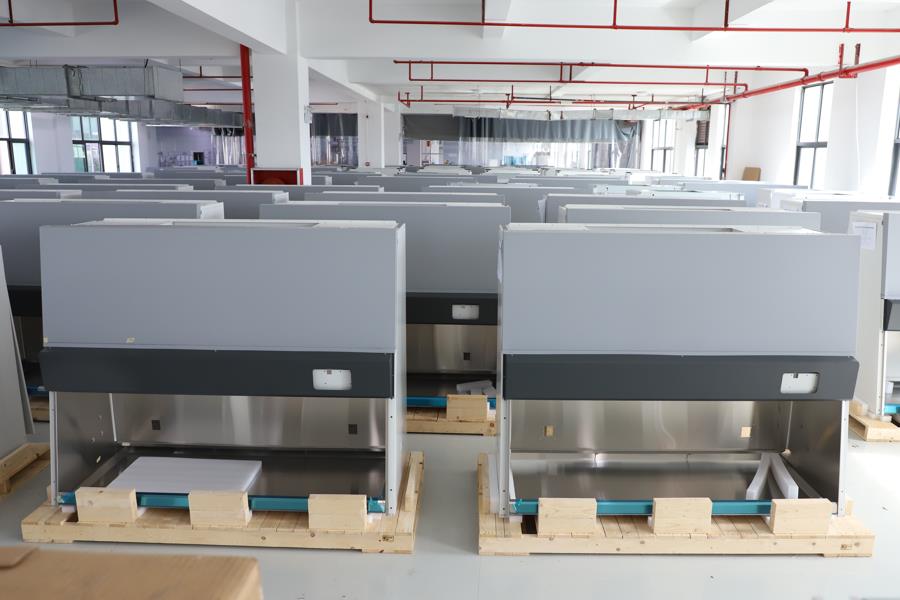
The Role of Sheet Metal in Medical Device Enclosure Design
Sheet metal — typically stainless steel, aluminum, or coated steel — offers unmatched flexibility for medical applications. Its ability to be cut, bent, welded, and finished to exact specifications makes it a preferred material for enclosures of:
-
Patient monitors
-
Diagnostic analyzers
-
X-ray and imaging systems
-
Laboratory automation units
-
Sterilization and disinfection devices
1. Design Flexibility
Sheet metal allows designers to develop custom enclosure geometries for unique device configurations. Using 3D CAD and laser cutting technologies, Chuntian Technology (Thailand) can create enclosures with tight tolerances and precise cutouts for displays, sensors, and ventilation ports.
2. Structural Integrity
Unlike plastic or cast enclosures, metal structures provide higher rigidity and load-bearing capacity, which is critical for protecting delicate electronics and mechanical systems within medical devices.
3. Cleanability and Sterility
Smooth, polished, or powder-coated finishes make sheet metal surfaces easy to disinfect, supporting the stringent hygiene requirements of hospitals and laboratories.
Material Selection for Medical Device Enclosures
Choosing the right material determines not just the enclosure’s appearance but also its functional performance. Below are common materials used in medical device fabrication.
Stainless Steel
-
Excellent corrosion and chemical resistance
-
Ideal for surgical and sterilization environments
-
Compatible with autoclaving and frequent cleaning
Aluminum
-
Lightweight yet durable
-
Excellent heat dissipation properties
-
Common for portable or diagnostic equipment
Cold-Rolled Steel (CRS)
-
Cost-effective and strong
-
Requires protective coatings (e.g., powder coating, painting)
-
Suitable for indoor-use devices
Chuntian Technology (Thailand) helps clients select materials that balance cost, strength, weight, and compliance according to each device’s function.
Fabrication Processes in Medical Enclosure Manufacturing
Precision is critical throughout the entire sheet metal fabrication process. At Chuntian Technology (Thailand), we use advanced fabrication technologies to ensure every part meets ISO 9001 and ISO 13485 standards.
1. Laser Cutting
High-speed fiber laser cutting ensures precise contours and clean edges without burrs, essential for maintaining enclosure integrity and safety.
2. CNC Bending and Forming
Computer-controlled bending machines maintain tight angular tolerances, ensuring that each panel fits perfectly during assembly — a crucial factor in achieving medical-grade enclosure sealing.
3. Welding and Joining
We offer multiple welding processes including TIG, MIG, and spot welding, depending on the enclosure design. TIG welding, in particular, provides clean, smooth seams ideal for hygienic surfaces.
4. Surface Finishing
Finishing treatments enhance both aesthetics and performance:
-
Electropolishing: Removes micro-contaminants and improves corrosion resistance
-
Powder coating: Adds durable, antibacterial coatings
-
Anodizing (for aluminum): Strengthens surface hardness and provides color stability
5. Assembly and Integration
Final assembly includes mounting electronic components, hinges, and seals. Precision jigs and fixtures ensure consistent fit and function, reducing rework and testing time.
Hygienic Design Principles in Medical Sheet Metal Fabrication
To ensure compliance with medical and cleanroom standards, Chuntian Technology (Thailand) integrates hygienic design principles into every project:
-
Seamless joints to prevent bacterial buildup
-
Rounded corners and edges for easy cleaning
-
Sloped surfaces for liquid runoff
-
Avoiding unnecessary welds and crevices
This design approach not only improves sterilization efficiency but also extends the service life of the enclosure.
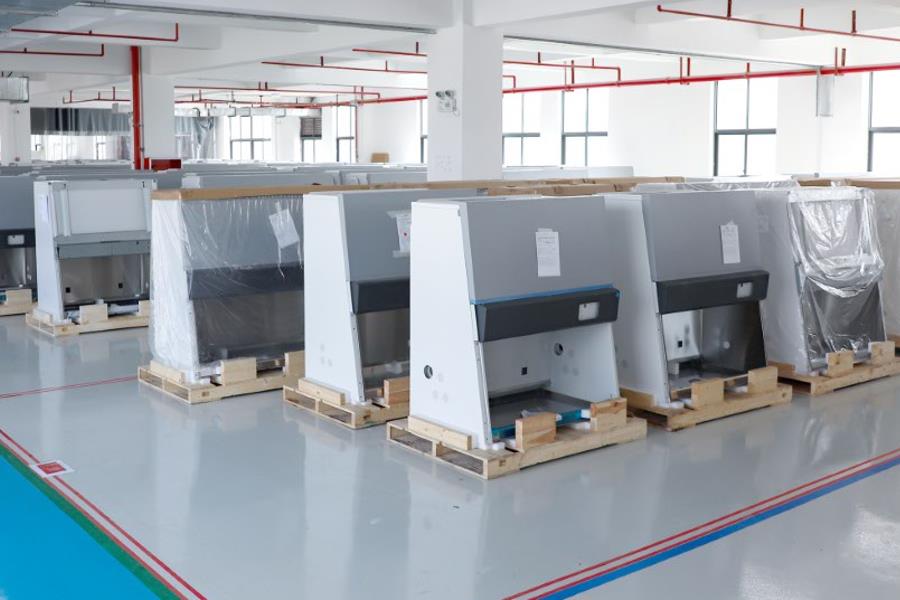
Regulatory and Quality Considerations
Meeting global medical manufacturing standards is fundamental. Our production processes align with:
-
ISO 9001: Quality Management Systems
-
ISO 13485: Medical Devices Quality Management
-
RoHS and REACH compliance for environmental safety
-
FDA and CE readiness for export-grade components
Every enclosure undergoes dimensional inspection, surface roughness testing, and salt spray testing to verify long-term durability and compliance.
Prototyping and Design Support
Chuntian Technology (Thailand) provides rapid prototyping services for medical device manufacturers, enabling clients to validate their designs before full-scale production. Our engineers collaborate closely with customers to:
-
Optimize sheet thickness for weight and strength
-
Recommend cost-effective fabrication processes
-
Adjust designs for manufacturability (DFM)
-
Shorten development cycles
This agile approach allows faster time-to-market without compromising precision or compliance.
Sustainability in Medical Device Fabrication
The healthcare sector increasingly values sustainability — and metal fabrication plays a part.
At Chuntian Technology (Thailand):
-
Recyclable materials such as aluminum and stainless steel are prioritized.
-
Closed-loop water systems reduce manufacturing waste.
-
Powder coatings with low VOC emissions support eco-friendly compliance.
Our commitment to sustainability reflects both environmental responsibility and long-term cost efficiency for our clients.
Case Study: Custom Enclosure for Diagnostic Equipment
A European medical device company partnered with Chuntian Technology (Thailand) to design a custom stainless-steel enclosure for a diagnostic analyzer. The challenge involved:
-
Maintaining IP-rated sealing against moisture
-
Meeting ISO 13485 cleanliness requirements
-
Achieving consistent color and finish across production batches
Using precision laser cutting and TIG welding, we achieved ±0.1 mm tolerance and delivered 500+ enclosures within 45 days. The final product met both CE certification and clinical performance standards.
Why Choose Chuntian Technology (Thailand) Co., Ltd.
-
20+ years of fabrication expertise in medical and industrial applications
-
ISO 9001 / ISO 13485 certified manufacturing system
-
State-of-the-art equipment for cutting, forming, and finishing
-
Flexible production from prototyping to volume runs
-
Engineering support for global OEM and ODM clients
We understand the precision, cleanliness, and compliance that medical devices demand — and deliver enclosures that exceed expectations.
FAQ: Medical Device Enclosure Fabrication
1. What materials are best for medical device enclosures?
Stainless steel and aluminum are most commonly used. Stainless steel offers superior chemical resistance, while aluminum provides lightweight durability for portable devices.
2. Can metal enclosures meet IP-rated sealing standards?
Yes. With precision bending, TIG welding, and proper gasketing, metal enclosures can achieve IP65 or higher ratings, protecting against dust and liquid ingress.
3. How does Chuntian Technology ensure quality and compliance?
We operate under ISO 9001 and ISO 13485 systems, with complete traceability and documented inspection reports for every batch.
4. Can you handle small-volume prototype runs?
Absolutely. We provide rapid prototyping services to support R&D projects and small-scale validation before full production.
5. Are your coatings and finishes biocompatible?
Yes. Our powder coatings and electropolishing finishes are compliant with RoHS and REACH, ensuring safety in medical environments.
Conclusion
The reliability of a medical device depends not only on its internal technology but also on the enclosure that protects it. Precision sheet metal fabrication ensures these enclosures meet the highest standards of performance, safety, and hygiene.
At Chuntian Technology (Thailand) Co., Ltd., we combine engineering expertise with advanced manufacturing to create medical-grade metal enclosures that stand up to the most demanding environments. Whether you need stainless-steel housings for diagnostic instruments or aluminum casings for portable medical devices, our team is ready to deliver solutions that integrate durability, compliance, and aesthetic excellence.