

In the vast field of metal processing, there are three extremely important basic processes, namely casting, forging and cutting, each of which has its own unique principles, characteristics and application range.
Casting is an ancient and widely used process. Its principle is to pour liquid metal or other materials into a pre-made mold, and after it cools and solidifies, obtain parts or blanks with a certain shape and size. Casting can produce parts with complex shapes, especially some parts with inner cavity structures, such as engine cylinders, valve bodies, etc. For example, sand casting is one of the most common casting methods. It uses sand as the molding material, and the cost of making the mold is relatively low, which is suitable for single-piece small-batch production. However, during the casting process, due to the complex solidification process of the molten metal in the mold, it is easy to produce defects such as pores, shrinkage holes, and slag inclusions, so the process control requirements are high. At the same time, the cast parts usually need to be processed later, such as cutting, to improve their surface accuracy and dimensional accuracy.
Forging is a process that uses the plastic deformation characteristics of metal to apply pressure to the metal blank to make it flow plastically to form the desired shape. Forging can significantly improve the organizational structure of metals, making the grains inside the metal more refined and uniform, thereby improving the mechanical properties of metals, such as strength and toughness. Forging technology is widely used in the manufacture of large shaft parts, gear blanks and other parts that bear large loads. For example, hammer forging gradually deforms the blank through repeated blows of the forging hammer. However, the forging process requires larger equipment and higher energy consumption, and the production cost of forging dies is relatively high, which is generally suitable for medium-volume production. In addition, forging can only process parts with relatively simple shapes, which is difficult to achieve for parts with complex inner cavities.
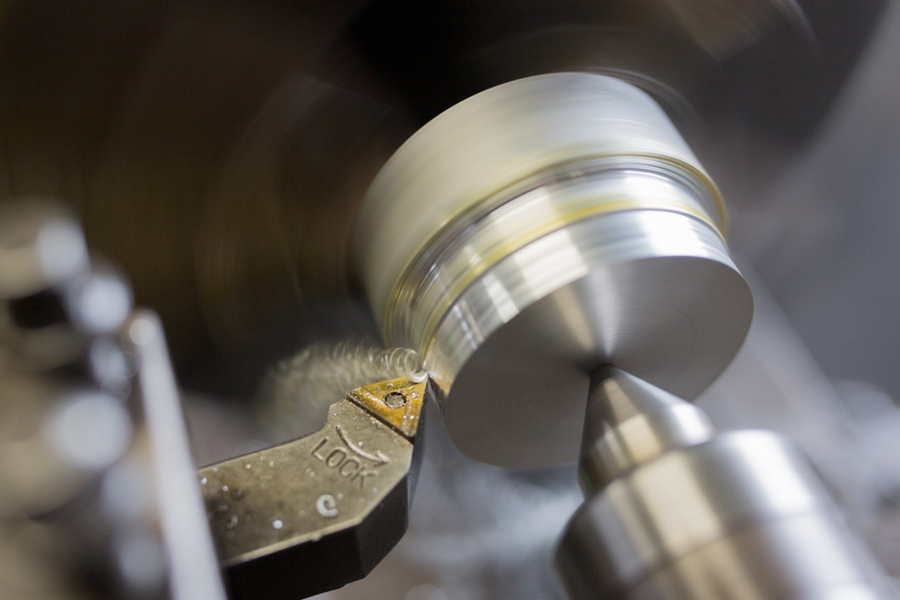
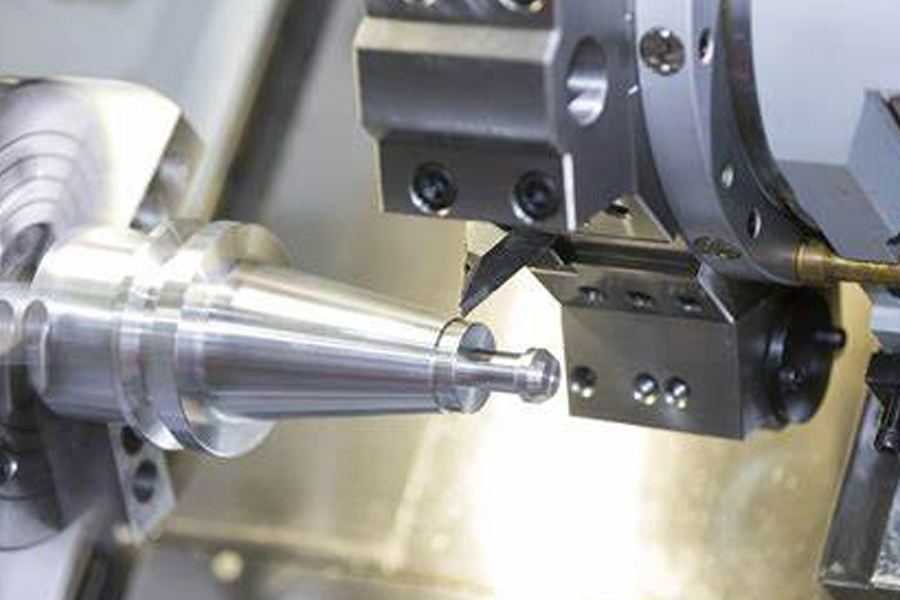
Cutting is to remove excess metal material on the workpiece through the relative movement between the tool and the metal workpiece to obtain the shape, size and surface quality of the part that meets the design requirements. Common cutting methods include turning, milling, drilling, grinding, etc. Turning is mainly used to process rotating parts, such as shafts, disc parts, etc.; milling can process planes, grooves, contours of various shapes, etc.; drilling is used to process holes; grinding can obtain extremely high surface accuracy and small surface roughness. The precision range of cutting processing is wide, which can meet the processing needs from general mechanical parts to high-precision aerospace parts. However, cutting processing is a processing method that removes materials, with relatively low material utilization, and a large amount of chips will be generated during the processing, which needs to be properly handled.
These three metal processing processes are indispensable in modern manufacturing. Casting provides a low-cost blank manufacturing method for complex-shaped parts; forging gives excellent mechanical properties to heavy-loaded parts; cutting processing provides precise dimensions and good surface quality control for various parts. In actual production, it is often necessary to comprehensively consider multiple factors such as part design requirements, production batches, cost budgets, and material properties, and select appropriate metal processing processes or reasonably combine several processes to achieve efficient, high-quality, and economical production goals.