

In the field of metal processing, there are many different metal forming processes, each of which has a unique role and scope of application, and is essential to meet the needs of various industries for metal products.
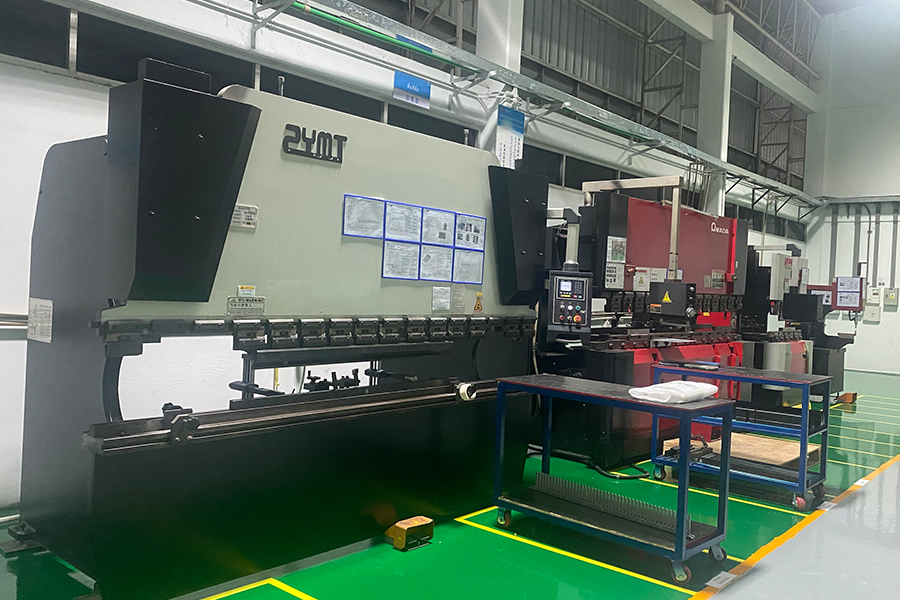
Sheet metal processing is one of the common metal forming processes, and Chuntian Machinery has rich practical experience in this regard. Sheet metal processing is mainly used for processing metal sheets, and the metal sheets are formed through shearing, punching, folding, welding and other processes. For example, when manufacturing metal file cabinets, a shearing machine is first used to cut large pieces of metal sheets into suitable sizes, which is the basis of the entire forming process and ensures the accuracy of the size of the subsequent processed sheets. Then, the CNC punch is used to punch out the installation holes and various decorative holes, which not only meets the functional requirements of the product, but also increases its aesthetics. Then the sheet is folded into each side of the cabinet by a bending machine, and the bending angle and size are accurately controlled to ensure the structural strength and stability of the cabinet. Finally, the welding process is used to firmly connect the various components together to complete the overall forming of the file cabinet. The sheet metal processing technology can quickly and efficiently produce thin-plate metal products with regular shapes and high precision, which are widely used in electrical housings, automobile body parts and other fields.
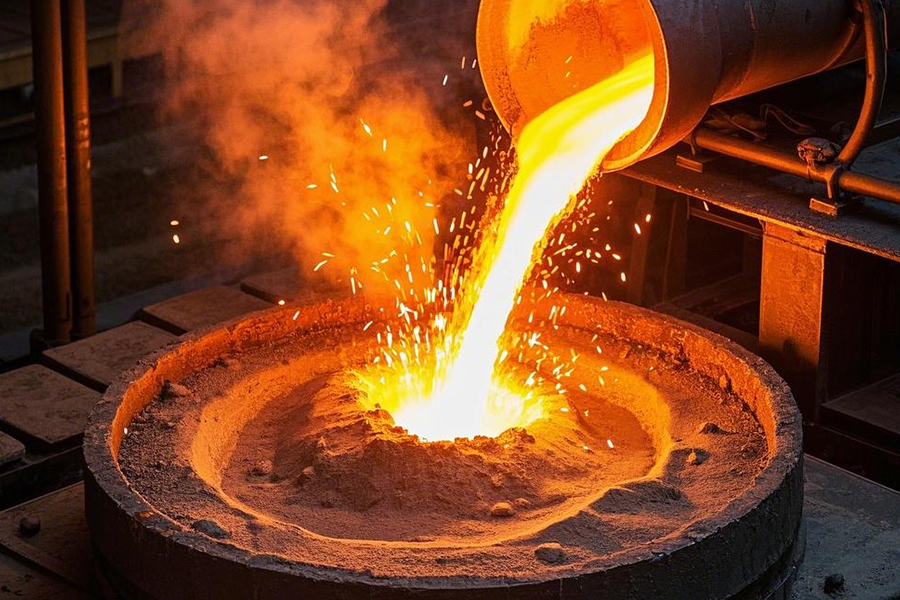
Casting technology is also an important metal forming method. It is to pour liquid metal into the pre-made mold cavity, and obtain the parts of the desired shape after cooling and solidification. Products such as engine cylinder blocks and radiators are often manufactured by casting. The advantage of the casting process is that it can produce parts with complex shapes and fine internal structures. For some parts with complex features such as cavities and threaded holes, they can be formed in one go, which greatly reduces the subsequent processing steps. However, the temperature, fluidity of the liquid metal and the quality of the mold need to be strictly controlled during the casting process to avoid defects such as pores, sand holes, shrinkage, etc., which affect the quality and performance of the parts.
The forging process uses a forging machine to apply pressure to the metal billet to cause it to plastically deform, thereby obtaining forgings with certain mechanical properties, shapes and sizes. The forging process can improve the metal’s organizational structure and improve the metal’s mechanical properties, such as strength and toughness. For example, for some mechanical parts that bear large loads, such as automobile crankshafts and gears, forging can make their internal organization denser and improve the reliability and service life of the parts. However, the forging process requires larger equipment and higher energy consumption, and for parts with complex shapes, mold manufacturing is more difficult and costly.
In addition, there is also a rolling process, which uses rollers to roll metal billets to reduce their thickness and increase their length, while improving the performance and surface quality of the metal. It is often used to produce various plates, pipes and profiles. The extrusion process is to put the metal billet into the extrusion cylinder, apply pressure through the extrusion shaft, and extrude the metal from the orifice of the mold to obtain the desired shape of the product. It is widely used in the production of aluminum profiles.
In summary, metal forming processes include sheet metal processing, casting, forging, rolling, extrusion and other types, and each process has its unique advantages and applicable scenarios. Chuntian Machinery and other companies will choose the appropriate metal forming process based on the specific needs of customers, taking into account factors such as product shape, size, performance requirements and cost, and provide high-quality metal products for various industries, promoting the continuous development and progress of the metal processing industry.